


Abyssinian
The lively, ticked-coat explorer


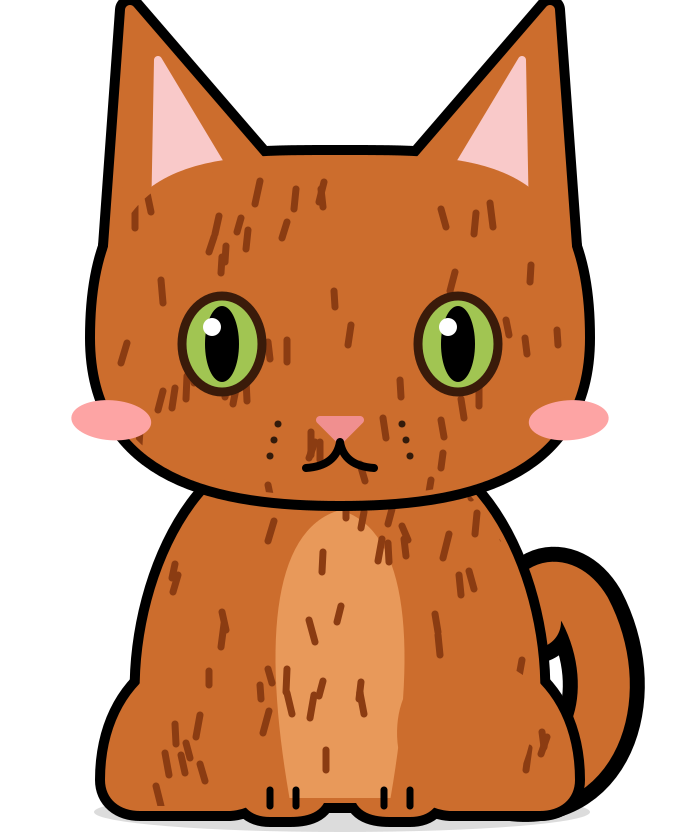
The Abyssinian is a slim, athletic cat with a warm, glowing coat that looks like a small wild cat. The name suggests Abyssinia (now Ethiopia), but where the breed really began is debated, and genetic studies point to the coasts of the Indian Ocean and South-East Asia.
In Britain, breeders developed the Abyssinian in the 1800s, and it has been admired for its looks and its endless curiosity ever since.


Abyssinian at a glance
- Origin
- Disputed: genetic studies point to the Indian Ocean coast and South-East Asia
- Size
- Medium, slim
- Weight
- Usually 3 to 5 kg
- Lifespan
- Usually 12 to 15 years
- Coat
- Short, fine and silky, with “ticking”: each hair has several dark and light bands
- Colours
- Ruddy, red (sorrel), blue and fawn
Personality scorecard
- Energy
- 5 out of 5
- Affection
- 4 out of 5
- Chattiness
- 3 out of 5
- Grooming needed
- 1 out of 5
- Good with children
- 5 out of 5
- Good with other pets
- 4 out of 5
Our own rough guide. Every cat is different.
What they look like
An Abyssinian is a fine-boned, medium-sized cat with large ears, almond-shaped eyes outlined in dark and a slightly wedge-shaped head. The ticked coat is its signature: each hair has bands of colour, which gives a warm, shimmering glow without stripes or spots. The ruddy colour is brown-orange with dark ticking, and sorrel (red) is a warmer cinnamon.
Personality
Busy, curious and people-loving. Abyssinians are nicknamed “Abys” and tend to be into everything: climbing to the highest spot in the room, investigating cupboards and following you from room to room. They are often more interested in playing and exploring than in lap-sitting, but they love being with their people. Most get along well with children and other pets, particularly if they are kept busy.
Care and grooming
An Abyssinian needs lots of activity every day. Provide cat trees, shelves, puzzle feeders and interactive play, and rotate toys often. A weekly rub with a soft brush is enough for the coat. They do well with company, so a second cat can help if you are out a lot. Keep teeth and gums healthy with regular checks.
Health to know about
Inherited conditions to ask about include progressive retinal atrophy (PRA), pyruvate kinase deficiency (PK-def) and kidney amyloidosis, and gum disease can be a problem. DNA tests are available for some of these, so choose a breeder who tests both parents.
Could suit
- Active households and families with older children
- People who enjoy playing with their cat
- Homes with vertical space to climb
Think twice if
- If you want a calm lap cat
- If you are out all day with no other pets
- If you do not like being “helped” with everything
“I opened the fridge. Not for the food. For science.”, Zendaya
Compare the Abyssinian
Name ideas for a Abyssinian
- Pharaoh
- Ember
- Cinnamon
- Paprika
- Copper
- Nile
- Cleo
- Saffron
- Ziggy
- Rusty
Want more? Try the cat name generator, or find out their age in human years with the cat age calculator.


Questions people ask
What does “ticked” mean?
A ticked coat has several bands of dark and light colour on each hair, which gives a glowing look without stripes or spots.
Are Abyssinians hyperactive?
They are very active and curious, so they need plenty of play, climbing space and puzzle toys every day.
Do Abyssinians like cuddles?
They are affectionate and love being close to their people, though many prefer to be doing something than sitting still on a lap.
Where do Abyssinians come from?
Nobody knows for certain. The name points to Abyssinia, but genetic studies suggest roots around the coasts of the Indian Ocean and South-East Asia.
Other breeds to meet
This is a friendly overview, not veterinary advice. Ask your vet about your own cat.
