


Domestic Shorthair (the moggy)
The brilliant everyday cat, and most of Britain’s favourites


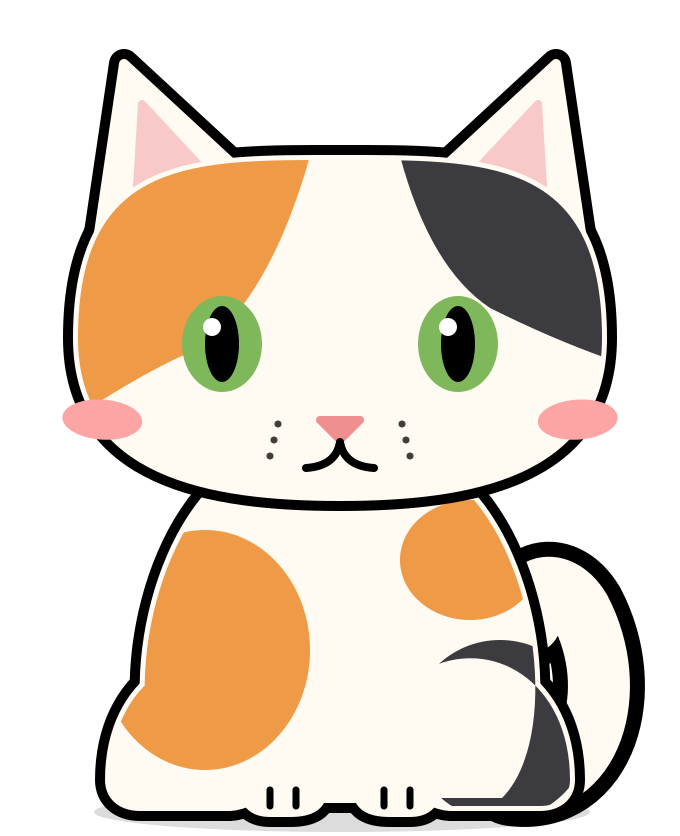
Most pet cats in the UK are not pedigrees. They are moggies: domestic shorthairs of mixed background, with no breed standard and no two the same. The word “moggy” is a very British, very affectionate name for a cat of any colour, shape and personality.
Zendaya, our crew boss, is a moggy, and we would put her against any show champion.


Domestic Shorthair (the moggy) at a glance
- Origin
- Everywhere, especially British homes
- Size
- Small to large
- Weight
- Usually 3.5 to 5.5 kg, varies
- Lifespan
- Often 12 to 18 years
- Coat
- Short and in every colour and pattern
- Colours
- Tabby, ginger, black, tuxedo, tortoiseshell, calico, white and everything in between
Personality scorecard
- Energy
- 3 out of 5
- Affection
- 4 out of 5
- Chattiness
- 3 out of 5
- Grooming needed
- 2 out of 5
- Good with children
- 4 out of 5
- Good with other pets
- 4 out of 5
Our own rough guide. Every cat is different.
What they look like
There is no single look. A moggy can be big or small, with any coat colour or pattern. Common patterns include tabby, tuxedo (black and white), ginger, tortoiseshell and calico. Genetics gives some fun facts: most ginger cats are male, and tortoiseshell and calico cats are almost always female.
Personality
As varied as their looks. Plenty of moggies are friendly, adaptable and robust, but there is no guarantee, and a cat’s personality depends on their upbringing, early socialisation and individual character. Spend time with a cat before you adopt, and ask a rescue what the cat is like with children, other pets and visitors.
Care and grooming
The basics apply to every cat: a good complete diet in sensible portions, fresh water, vet check-ups, vaccinations, parasite control, neutering and play every day. Brush short coats weekly. Since June 2024 it is a legal requirement in England for pet cats to be microchipped, so make sure your details are up to date.
Health to know about
Moggies can be healthy, but not magically immune to illness: mixed-breed cats can still inherit conditions, and age, weight and dental health matter just as much. Regular check-ups, a healthy weight and good dental care are the best bets for a long life.
Could suit
- Almost everyone: there is a moggy for every home
- Families, flats, first-time owners and old hands
- Anyone who wants to give a rescue cat a home
Think twice if
- If you need to know exactly how big or how calm your cat will be as an adult
- If you want a specific look or coat
- Never, really. Just meet the cat first
“I am not a breed. I am a whole mood.”
Domestic Shorthair (the moggy)s in the crew
Meet the Brus Crew and followers’ cats who are Domestic Shorthair (the moggy)s:
Name ideas for a Domestic Shorthair (the moggy)
- Biscuit
- Dusty
- Smudge
- Tigger
- Ziggy
- Mittens
- Oreo
- Pickle
- Muffin
- Bagel
Want more? Try the cat name generator, or find out their age in human years with the cat age calculator.


Questions people ask
What is a moggy?
A moggy is a cat of mixed or unknown breed. In the UK it is an affectionate word for the ordinary domestic cat, which is the most common kind of pet cat.
Are moggies healthier than pedigree cats?
They can be, because mixed breeding spreads out inherited conditions, but they can still get illnesses. Good care and regular vet visits matter most.
Why are most ginger cats male?
The gene for orange colour sits on the X chromosome. Males need only one copy to be ginger, while females need two, which is rarer.
Is it a legal requirement to microchip a cat?
In England, yes: since June 2024 owners must have their cats microchipped, and keep their details up to date. Check the rules if you live elsewhere in the UK.
Other breeds to meet
This is a friendly overview, not veterinary advice. Ask your vet about your own cat.
