


Norwegian Forest Cat
The Viking cat in a waterproof coat


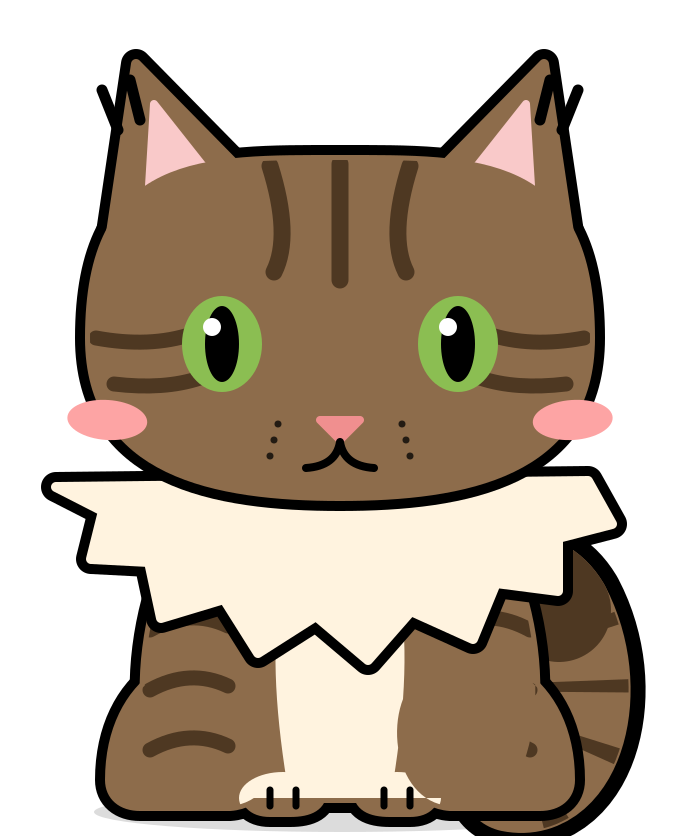
The Norwegian Forest Cat, or Skogkatt, is a big, strong cat from Norway built for cold weather and for climbing. There is old folklore about huge cats pulling the goddess Freyja’s chariot, but the breed as we know it was revived by enthusiasts in the 1970s.
With a ruff, tufted ears, a straight profile and a long bushy tail, it looks every inch the Viking.


Norwegian Forest Cat at a glance
- Origin
- Norway
- Size
- Large
- Weight
- Usually 3.5 to 7 kg
- Lifespan
- Usually 12 to 16 years
- Coat
- Long, thick double coat with a woolly undercoat and long, water-shedding guard hairs
- Colours
- Many colours and patterns, often with white
Personality scorecard
- Energy
- 4 out of 5
- Affection
- 3 out of 5
- Chattiness
- 2 out of 5
- Grooming needed
- 4 out of 5
- Good with children
- 4 out of 5
- Good with other pets
- 4 out of 5
Our own rough guide. Every cat is different.
What they look like
A Norwegian Forest Cat has a large, sturdy body with strong legs, a triangular head with a straight profile (no “stop” between forehead and nose), and large ears with tufts. The double coat has a woolly undercoat and long glossy guard hairs that shed rain and snow, with a thick ruff around the neck and “britches” on the back legs. Most are fully grown by around four to five years old.
Personality
Friendly, independent and adventurous. Wegies are good at climbing, with strong claws that can come down headfirst, so cat trees and shelves are a must. They are affectionate without being clingy, and many are quiet and gentle with their people. They tend to get on with other pets and with children, though they like their own space.
Care and grooming
Brush a couple of times a week, and daily during the heavy spring moult when they lose the thick undercoat. They love climbing and exploring, so provide tall, sturdy cat trees, and a secure garden or catio is a joy for them. Feed a good complete diet and watch their weight.
Health to know about
Hypertrophic cardiomyopathy (HCM) and hip dysplasia can occur, and the breed can carry glycogen storage disease type IV (GSD IV), a serious inherited condition. There is a DNA test for GSD IV, so ask breeders for results for both parents. Regular vet checks catch problems early.
Could suit
- Homes with space to climb, and a safe garden
- People happy to groom a thick coat
- Families who want a friendly, independent cat
Think twice if
- Small flats with no climbing space
- If you do not want fur around the house in spring
- If you need a lap cat who wants to be held
“I climbed a bookcase to see what was at the top. The answer is: more bookcase. I am delighted.”, Rocket
Compare the Norwegian Forest Cat
Name ideas for a Norwegian Forest Cat
- Freya
- Bjorn
- Astrid
- Ragnar
- Fjord
- Saga
- Loki
- Odin
- Viking
- Sigrid
Want more? Try the cat name generator, or find out their age in human years with the cat age calculator.


Questions people ask
Is a Norwegian Forest Cat the same as a Maine Coon?
No, though they look alike. Norwegian Forest Cats have a triangular head and straight profile, while Maine Coons have a squarer muzzle and a more rectangular body. Both are big, long-haired cats.
Do Norwegian Forest Cats shed a lot?
They shed heavily once a year, when the thick winter undercoat comes out, and lightly the rest of the time. Brush more often during the moult.
Are Norwegian Forest Cats good climbers?
Yes. Their strong claws mean they can climb down trees headfirst, and they love tall cat trees and shelves.
How big do Norwegian Forest Cats get?
Usually 3.5 to 7 kg, and they can take four to five years to be fully grown.
Other breeds to meet
This is a friendly overview, not veterinary advice. Ask your vet about your own cat.
