


Persian
The fluffy, flat-faced lap cat


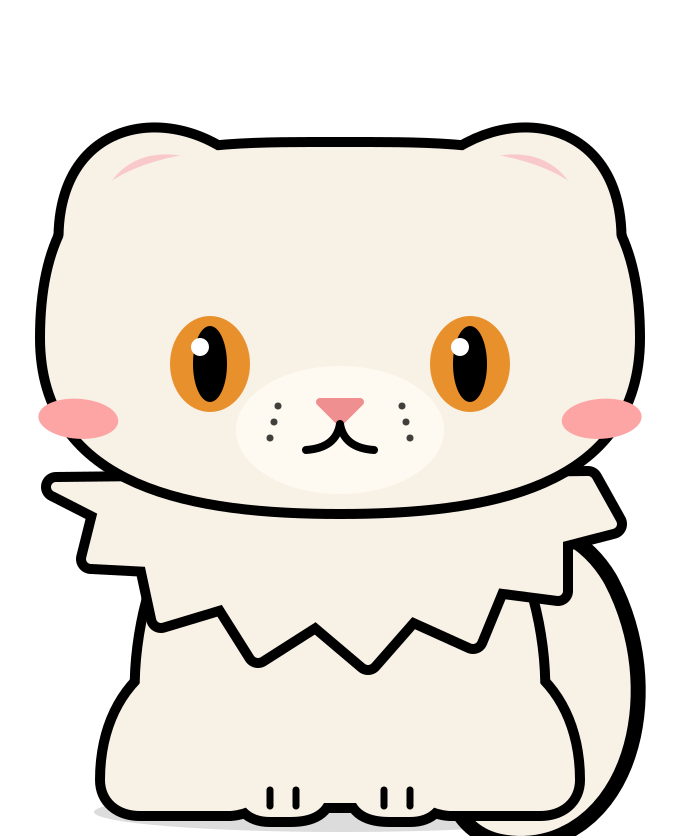
Long-haired cats from Persia (now Iran) reached Europe in the 1600s, and breeders in Britain and elsewhere developed them into the fluffy, flat-faced Persian we know. It has been one of the world’s most popular pedigree breeds for well over a century.
It is a soft, sweet, quiet cat, but it needs more care than most, and it is worth knowing about before you fall for that face.


Persian at a glance
- Origin
- Persia (modern Iran), developed in Europe
- Size
- Medium
- Weight
- Usually 3.5 to 7 kg
- Lifespan
- Usually 10 to 15 years
- Coat
- Very long, thick and silky
- Colours
- Almost every colour and pattern, from white and cream to smoke, tabby and tortoiseshell
Personality scorecard
- Energy
- 1 out of 5
- Affection
- 4 out of 5
- Chattiness
- 1 out of 5
- Grooming needed
- 5 out of 5
- Good with children
- 3 out of 5
- Good with other pets
- 3 out of 5
Our own rough guide. Every cat is different.
What they look like
A Persian is a cobby, medium-sized cat with short legs, a broad chest and a round head. The face is flat or short-nosed with big round eyes and small, rounded ears. The coat is long, thick and silky and needs daily attention. Traditional or “doll-face” Persians have longer noses, while extreme flat-faced “peke-face” types can have serious breathing and eye problems.
Personality
Quiet, gentle and happiest in calm surroundings. Persians are not big climbers or jumpers. They enjoy a soft lap, a sunbeam and a predictable routine, and they usually keep their voice low. They are generally relaxed with considerate children and cats, though they do not like rough handling or chaos.
Care and grooming
Daily grooming is not optional: a long, thick coat knots quickly into painful mats, so plan on a gentle brush and comb every day. Wipe the face, because the tear ducts of flat-faced cats often overflow and stain the fur, and check the eyes daily. Keep them indoors or in a safe garden, and consider a sanitary trim around the back end. A flat-faced cat can overheat easily, so avoid hot rooms.
Health to know about
Flat-faced (brachycephalic) cats can have trouble breathing, watery eyes, tooth problems and difficulty eating. Persians can also carry polycystic kidney disease (PKD), for which a DNA test exists, so breeders should test their cats. International Cat Care and many vets urge buyers to choose a Persian with a longer, more open nose over an extremely flat face.
Could suit
- Calm, quiet homes
- People who enjoy daily grooming as a ritual
- Owners who want an indoor lap cat
Think twice if
- If you cannot groom every day
- If you want an active, playful climber
- If you are not prepared for possible eye, breathing and dental vet bills
“Brushing is not a chore. It is a spa treatment, and you may do it for as long as you like.”, Sansa
Compare the Persian
Name ideas for a Persian
- Cleo
- Pearl
- Duchess
- Snowball
- Sultan
- Saffron
- Marshmallow
- Truffle
- Velvet
- Lady
Want more? Try the cat name generator, or find out their age in human years with the cat age calculator.


Questions people ask
How often do Persian cats need grooming?
Every day. The long, thick coat tangles and mats quickly without a daily brush and comb.
Why do Persian cats have flat faces?
Breeders selected for a short nose over many generations. Extreme flat faces can cause breathing, eye and dental problems, so many experts recommend choosing a Persian with a longer, more open nose.
Are Persian cats good with children?
They can be, if the children are calm and gentle. They tend to prefer a quiet home to a noisy one.
Do Persian cats need to be kept indoors?
Most are kept indoors or in a safe, enclosed garden, because their coat is hard to keep clean outdoors and they are not great at fending for themselves.
Other breeds to meet
This is a friendly overview, not veterinary advice. Ask your vet about your own cat.
