Cat guide ·
Ginger Cat Facts: Genes, Freckles and Orange Cat Energy
By the Brus Crew, a family with a house full of cats
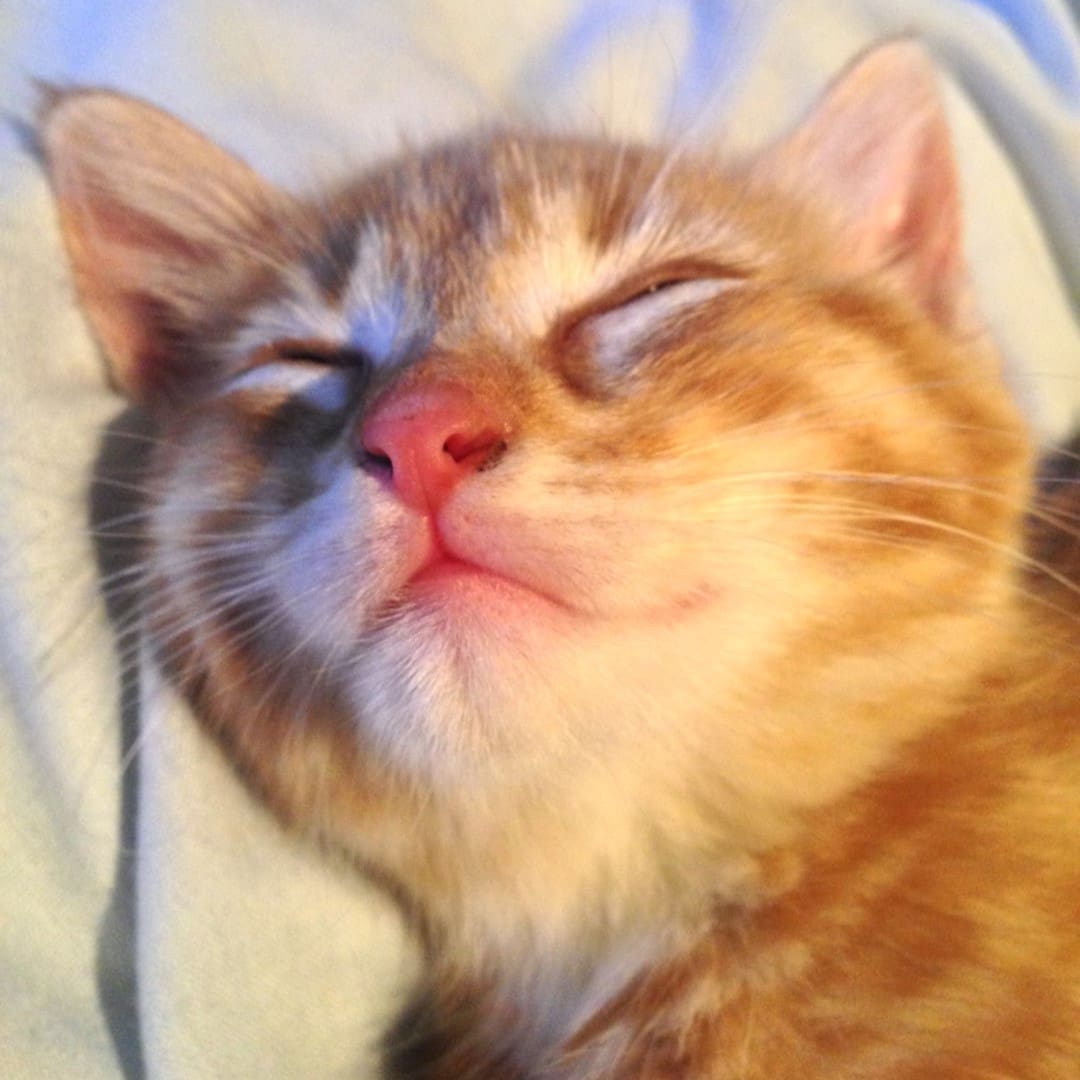
Ginger cats have quite a reputation: big personalities, bigger appetites and that famous "orange cat energy". But some of the best ginger cat facts are about what's going on under the fur, from a gene on the X chromosome to the freckles that pop up on their noses. Here's what's true, what's just for fun and what's folklore, with a little help from our own ginger, Irn Bru, and fan favourite Sansa.
Ginger cat facts at a glance
- Roughly 80% of ginger cats are male.
- A female ginger needs the orange gene from both parents.
- Every ginger cat is a tabby, even if the stripes are faint.
- Dark freckles on the nose and lips are common and usually harmless.
- Ginger is a colour, not a breed.
- "Orange cat energy" is a fun reputation, not a scientific finding.
Are ginger cats always male?
No, but most of them are. Roughly 80% of ginger cats are male, so only about one in five is female. It all comes down to where the orange gene lives.
Why most ginger cats are boys
The gene that turns a cat's coat orange sits on the X chromosome. Male cats have one X and one Y chromosome, so a single copy of the orange gene is enough to make them ginger. Females have two X chromosomes, so they need the orange gene on both of them to be fully ginger.
That means a ginger girl has to inherit orange from both parents: her dad must be ginger, and her mum must be ginger, tortoiseshell or calico. A ginger boy only needs it from one parent, and it always comes from his mum, because that's where his X chromosome comes from.
| At a glance | Male cat (XY) | Female cat (XX) |
|---|---|---|
| To be ginger, needs | One copy of the orange gene | Two copies, one from each parent |
| One copy of the gene makes | A ginger cat | A tortoiseshell or calico |
| Share of all ginger cats | Roughly 80% | Roughly 20% |
Female ginger cats: rare, but they're out there
The same genetics explain why tortoiseshell and calico cats are almost always female. Their patchwork of orange and black comes from having one X chromosome with the orange gene and one without. Male tortoiseshells do exist, but they're very rare and usually have an extra X chromosome.
So a ginger girl is a lovely find, and Sansa is one of them. She's a ginger tabby named after the Game of Thrones character and, true to her "loves everyone" tagline, she gets on with cats and humans alike.

Are all ginger cats tabbies?
Yes. Every ginger cat is a tabby. In other colours, a gene can hide the tabby pattern and give a solid coat, which is how a black cat can look completely black. That masking doesn't work on orange pigment, so ginger cats always show some tabby markings.
On some gingers the stripes are bold; on others they're faint. Look closely at the forehead (for the classic "M"), the legs and the tail and you'll usually spot them. Ginger tabbies come in all the usual tabby patterns:
- Mackerel – thin stripes running down the sides, a bit like a tiger
- Classic – bold swirls, often with a "bullseye" on each side
- Spotted – stripes broken up into spots
- Ticked – banding on each individual hair, with stripes mostly on the face, legs and tail
Why does my ginger cat have freckles?
If your ginger has little black or brown spots on their nose, lips, gums or eyelids, you're not imagining it. These freckles are common in orange cats, and in tortoiseshells and calicos too. The condition is called lentigo, and it's generally harmless: just extra pigment in the skin, nothing that bothers the cat.
Freckles can appear when a cat is fairly young and slowly spread or multiply over the years, which is normal. What's worth acting on is change. If a spot becomes raised or lumpy, grows quickly, bleeds or looks different from the others, book a check with your vet. Ordinary freckles aren't a worry, but anything that changes should be looked at by a vet, just to be sure.
Is ginger a breed?
No. Ginger (or orange, or red, as breeders call it) is a coat colour, not a breed. Lots of breeds come in ginger, including British Shorthairs, Maine Coons, Persians and Exotic Shorthairs, and so do plenty of moggies with no particular breed at all.
Irn Bru's profile, for example, lists him as a British Shorthair; that gorgeous ginger coat is his colour, not his breed. It's the same idea as tuxedo cats, where "tuxedo" describes a pattern rather than a breed (more on that in our tuxedo cat facts).

Ginger also has a paler cousin: cream. A cream cat carries the orange gene plus a "dilute" gene that softens the colour, so cream cats follow the same rules: always tabby, and usually male.
Orange cat behaviour: is "orange cat energy" real?
Ask the internet and ginger cats are lovable chaos: food-obsessed, friendly, a bit daft and always up to something. It's a fun reputation and plenty of owners swear by it, but it's anecdotal rather than science. There's no solid evidence that coat colour decides a cat's personality.
A cat's character is shaped by lots of things: genes, how well they were socialised as a kitten, their health, their home and simply who they are. Some people suggest the reputation sticks because most gingers are male, but that's guesswork too.
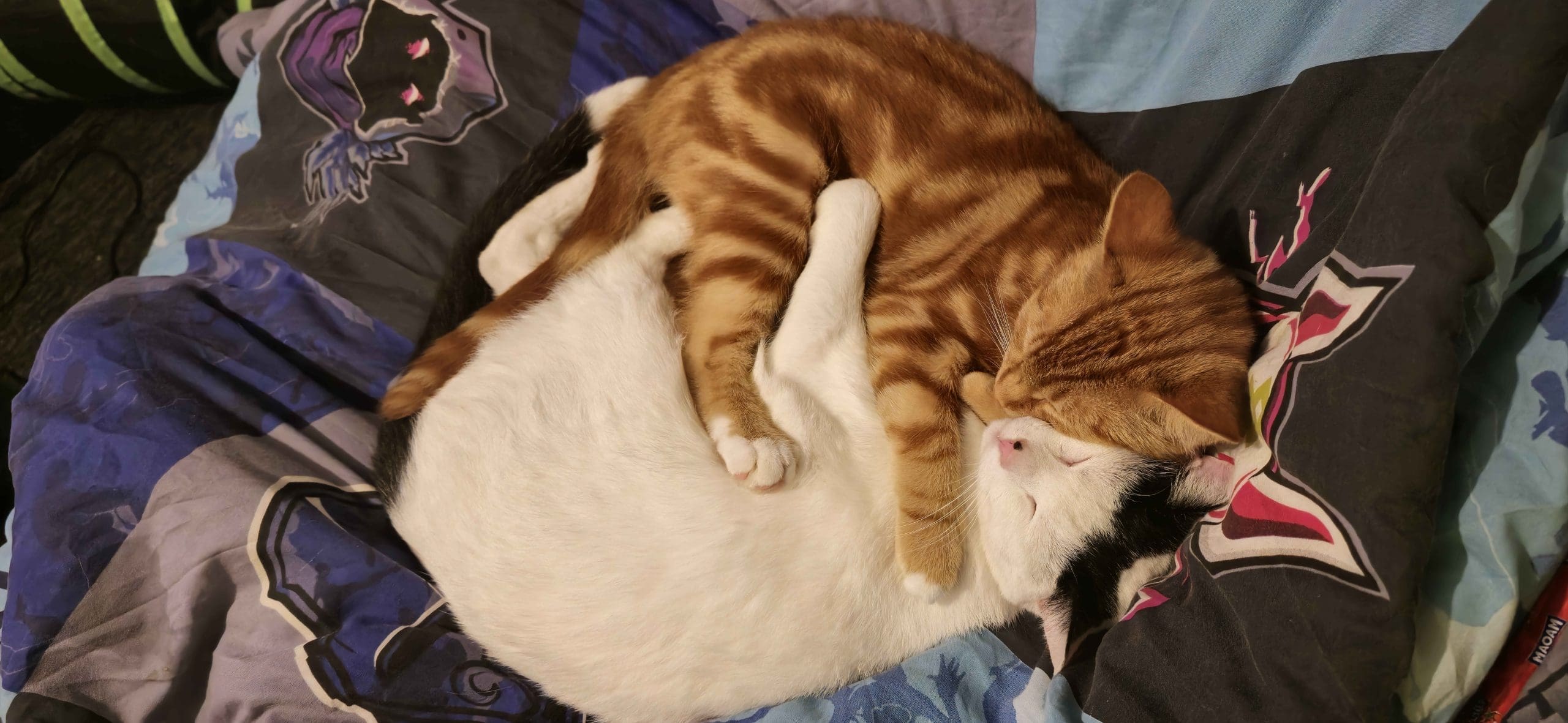
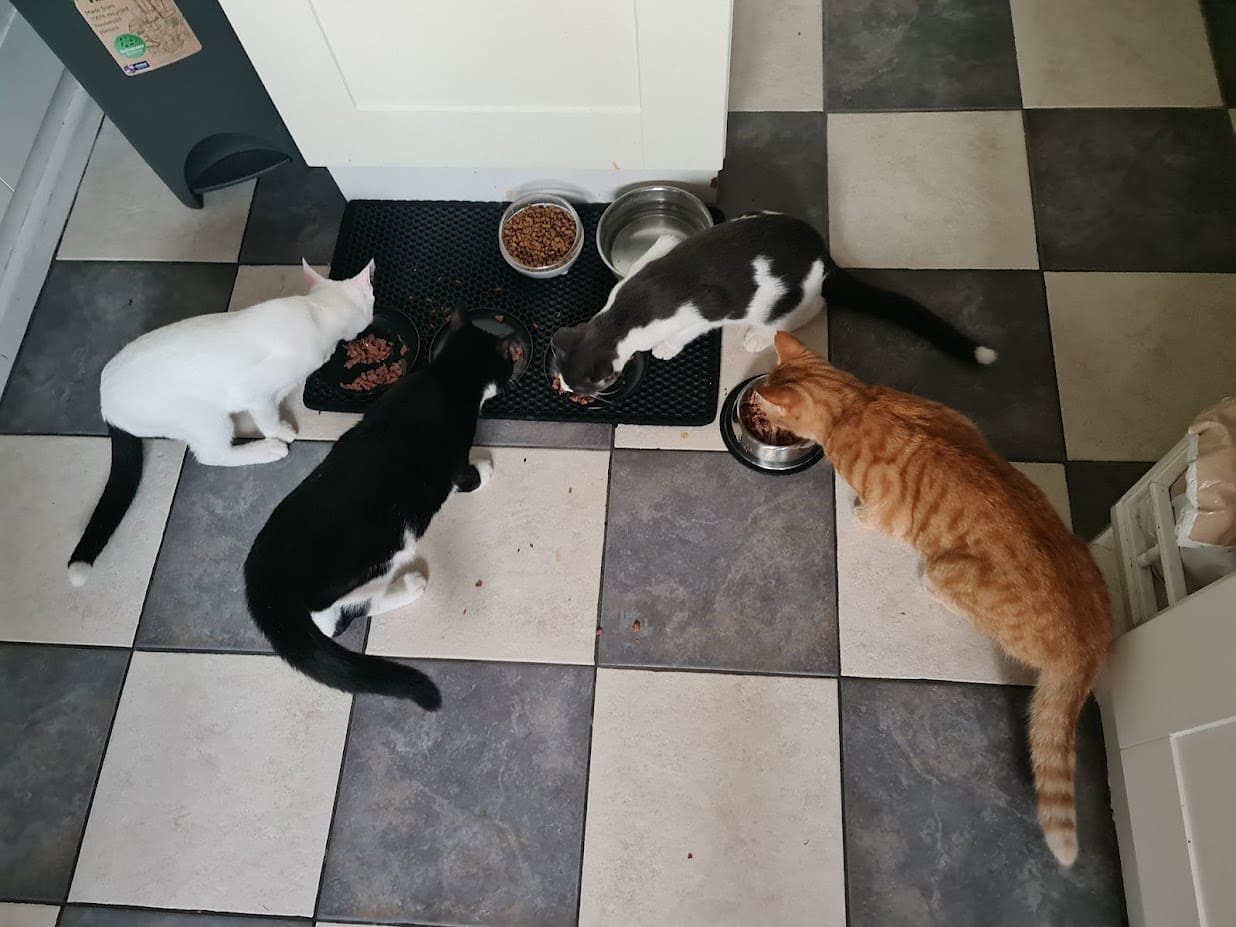
Our own crew shows how much personality varies. Irn Bru certainly fits the stereotype: he describes himself as crazy, fun and lovable, has boundless energy and never leaves his brother and sister alone. Sansa is another people-lover. But plenty of gingers are shy, laid-back or aloof, and plenty of non-gingers have all the energy you could want. Our tuxedo Zendaya, for one, is very clear that she's the boss around here.
So if your ginger is a whirlwind, enjoy it. If they're a quiet sofa cat, they're no less ginger for it.
More fun ginger cat facts
- "Marmalade cat" is a British nickname for gingers, and it's easy to see why.
- The colour comes from a pigment called phaeomelanin, the same type of pigment behind red hair in people, although the genes involved are different.
- Ginger comes in lots of shades, from pale cream and apricot through to deep, rich red.
- Some of the world's most famous cats are ginger, including Garfield, Jonesy from Alien, Orangey from Breakfast at Tiffany's and Bob from A Street Cat Named Bob. Borrow one of theirs, or browse our ginger cat names for more ideas.
Questions people ask
Are ginger cats always male?
No. Roughly 80% are male, but about one in five ginger cats is female. Girls need the orange gene from both parents, which makes them less common.
Do ginger cats have more health problems?
Being ginger isn't linked to any major health problems in itself. The main colour-related thing to know about is freckles, which are usually harmless. For anything specific to your cat, your vet is the best person to ask.
Why does my ginger cat have black spots on its nose?
They're most likely freckles (lentigo), which are common in orange cats and usually harmless. If a spot is raised, growing, bleeding or changing, get it checked by your vet.
Are ginger cats more affectionate?
Many owners think so, but there's no good evidence that coat colour sets personality. Plenty of gingers are cuddly and plenty aren't. Early socialisation and a cat's individual character play a much bigger part.
Got a ginger of your own, boy or rare girl? Send us your cat and they could join Irn Bru and Sansa on the site.