


Munchkin
The short-legged cat, and an honest look at the questions around it


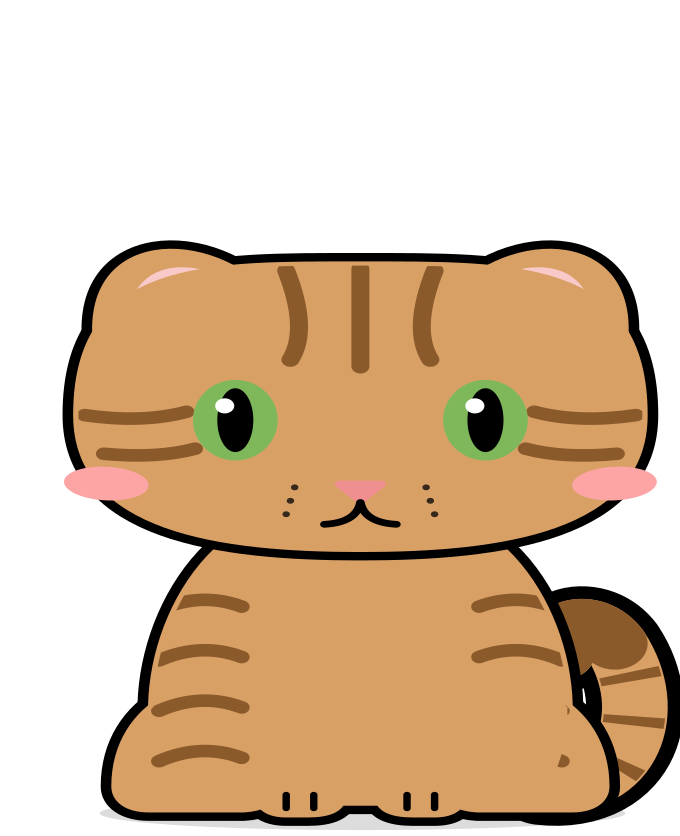
The Munchkin is a short-legged cat. Cats with very short legs have turned up naturally in different places over the years, and the modern breed began in Louisiana in the early 1980s, when a woman rescued a short-legged pregnant cat called Blackberry. Her kittens passed the trait on, and breeders developed the breed from them.
It has become popular on social media, and it is also a breed that many vets and cat welfare charities have concerns about, so please read the health section before you decide.


Munchkin at a glance
- Origin
- Louisiana, USA
- Size
- Small to medium
- Weight
- Usually 2.5 to 4 kg
- Lifespan
- Not well established, often quoted at 12 to 15 years
- Coat
- Short or long, in any colour and pattern
- Colours
- Any colour and pattern
Personality scorecard
- Energy
- 4 out of 5
- Affection
- 4 out of 5
- Chattiness
- 2 out of 5
- Grooming needed
- 2 out of 5
- Good with children
- 4 out of 5
- Good with other pets
- 4 out of 5
Our own rough guide. Every cat is different.
What they look like
A Munchkin looks like a normal cat on short legs: a medium-length body, a slightly rounded head, walnut-shaped eyes and legs that are around half the usual length. It can be any colour or pattern, with a short or long coat. Cats with the same gene but normal legs, called “non-standard”, can also be born in a litter.
Personality
Playful, curious and friendly. Munchkins are known for being sociable, running fast on their short legs, and sitting up on their back legs like a meerkat to see around. They are usually good with children and other pets. They can jump, but not as high as other cats.
Care and grooming
Keep them at a healthy weight, as extra weight puts strain on their backs and joints. Provide low steps, ramps and shelves they can reach. Brush the coat weekly (more for long-haired cats), and keep up with vet checks, including their spine and joints.
Health to know about
The short-leg gene is dominant, and kittens that inherit two copies are thought not to survive, so breeding two Munchkins together is a concern. Vets have also raised worries about skeletal and spinal problems, such as an inward curve of the spine (lordosis) and a dip in the chest bone (pectus excavatum), and about arthritis, though long-term studies are limited. Some cat registries do not recognise the breed because of these concerns. If you love the look, speak to a vet first, and consider adopting an adult cat from a rescue.
Could suit
- Owners ready for possible veterinary costs and mobility support
- Quiet homes with ramps and low furniture
- People who will give a rescue Munchkin a home
Think twice if
- If you are thinking of buying or breeding one, because of the welfare concerns
- If you cannot afford long-term joint and spine care
- If you want a cat who can climb high
“Short legs, big plans. I take the stairs very seriously.”
Name ideas for a Munchkin
- Peanut
- Nugget
- Stubby
- Gnocchi
- Hobbit
- Biscuit
- Pip
- Mini
- Dumpling
- Wombat
Want more? Try the cat name generator, or find out their age in human years with the cat age calculator.


Questions people ask
Are Munchkin cats healthy?
Many vets and welfare groups have concerns about the short-leg gene, including possible spine and joint problems. Long-term research is limited, so talk to a vet before you decide.
Can Munchkin cats jump?
Yes, but not as high as longer-legged cats, so give them low steps or ramps.
Why are Munchkin legs short?
A natural, dominant gene change shortens the leg bones.
Can I adopt a Munchkin?
Yes, rescues sometimes have Munchkin and Munchkin-type cats. Ask a vet to check joints and spine.
Other breeds to meet
This is a friendly overview, not veterinary advice. Ask your vet about your own cat.
