


Pixie-bob
The spotted, bob-tailed “mini bobcat” with a gentle heart


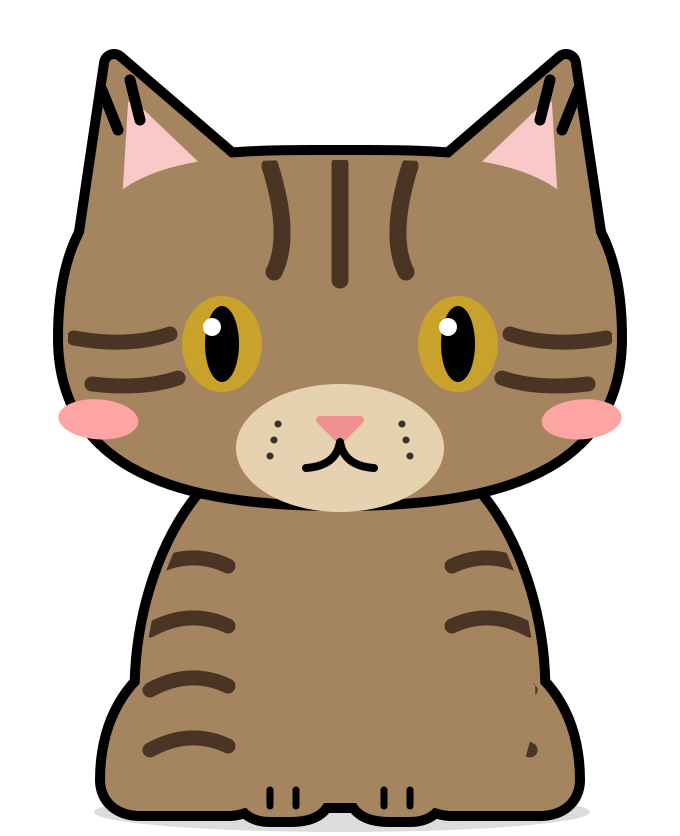
The Pixie-bob was developed in the United States in the 1980s from short-tailed, spotted cats found in the Pacific North-West. The story goes that the first cats were the offspring of wild bobcats, which is why the breed looks like a small bobcat. DNA testing has not found any bobcat in the breed, so the wild look is down to domestic cat genes.
It is a rare breed with a calm, sociable nature, and it has become known for being surprisingly dog-like.


Pixie-bob at a glance
- Origin
- Washington State, USA
- Size
- Medium to large
- Weight
- Usually 4 to 8 kg
- Lifespan
- Often 13 to 15 years
- Coat
- Short or long, dense and slightly woolly, with a spotted tabby pattern
- Colours
- Brown spotted tabby
Personality scorecard
- Energy
- 3 out of 5
- Affection
- 4 out of 5
- Chattiness
- 2 out of 5
- Grooming needed
- 2 out of 5
- Good with children
- 5 out of 5
- Good with other pets
- 5 out of 5
Our own rough guide. Every cat is different.
What they look like
A big, powerful cat with a broad head, a heavy brow, deep-set eyes, tufted ears and a short “bobbed” tail, anywhere from a couple of inches long to the hock. The coat is a brown spotted tabby with a lighter belly, and some have extra toes (polydactyl). Both short-haired and long-haired versions exist.
Personality
Calm, loyal and sociable. Pixie-bobs are known for bonding closely with their families, getting on with children and dogs, and often walking on a lead. They chirp and chatter rather than meow loudly, and are playful without being wild. They take time to mature, often around four years.
Care and grooming
Brush weekly (more for long-haired cats). Give them space to climb, play, and explore, and measure meals. Keep up with dental checks and ask your vet to check their spine and tail.
Health to know about
Generally robust, but there are some concerns. Like any short-tailed cat, the spine and tail should be checked, and females can be prone to a womb condition called cystic endometrial hyperplasia. Hypertrophic cardiomyopathy (HCM) has also been reported. Ask breeders about health testing.
Could suit
- Families with children and dogs
- People who want a calm, loyal cat who enjoys company
- Homes with space to roam
Think twice if
- If you want a small cat
- If you want a widely available breed
- If you want a lap-sitting lightweight
“I look like a bobcat, I act like a labrador, and I regret nothing.”
Compare the Pixie-bob
Name ideas for a Pixie-bob
- Bobby
- Bandit
- Ranger
- Cedar
- Juniper
- Hazel
- Maple
- Moose
- Pixie
- Rusty
Want more? Try the cat name generator, or find out their age in human years with the cat age calculator.


Questions people ask
Are Pixie-bobs part bobcat?
No. DNA testing has not found bobcat in the breed. The wild look comes from domestic cat genes.
Do Pixie-bobs have tails?
They have a short, “bobbed” tail, from a couple of inches to hock length.
Are Pixie-bobs good with dogs?
They are known for being sociable and tolerant, and often get on well with friendly dogs.
How big do Pixie-bobs get?
Usually 4 to 8 kg, and they can take up to four years to mature.
Other breeds to meet
This is a friendly overview, not veterinary advice. Ask your vet about your own cat.
