


Siberian
The Russian forest cat with a triple coat and a dog-like heart


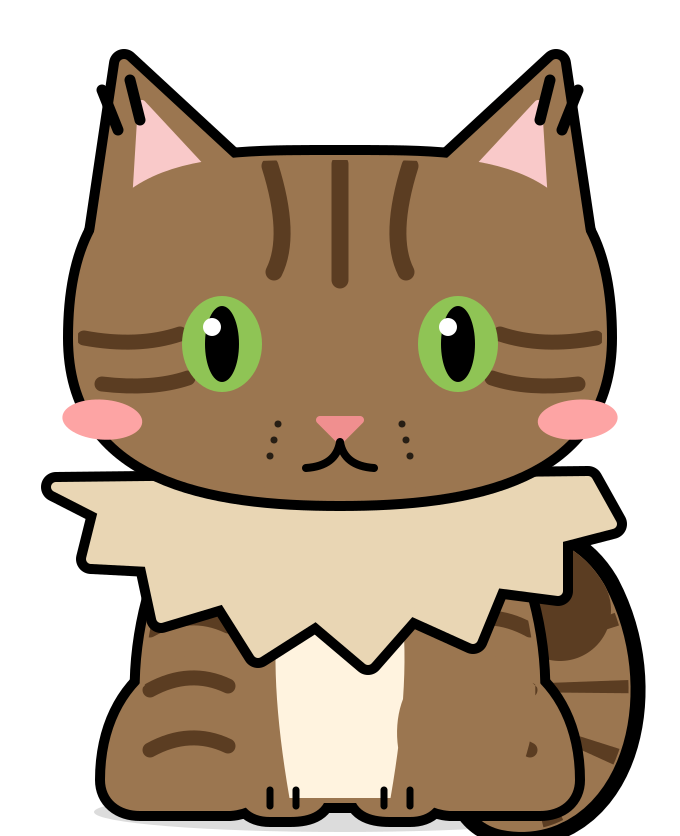
The Siberian is a natural forest cat from Russia, built for freezing winters. It has been part of Russian life for centuries, and it reached Britain and the United States in the late 1980s and 1990s. It is large, strong and a brilliant jumper.
You may have heard that Siberians are good for people with allergies. The truth is more complicated, and we explain it below.


Siberian at a glance
- Origin
- Russia
- Size
- Medium to large
- Weight
- Females 4 to 6 kg, males 5 to 8.5 kg
- Lifespan
- Often 11 to 15 years
- Coat
- Long, thick and water-resistant, with three layers
- Colours
- Almost any colour and pattern; brown tabby is common
Personality scorecard
- Energy
- 4 out of 5
- Affection
- 4 out of 5
- Chattiness
- 2 out of 5
- Grooming needed
- 4 out of 5
- Good with children
- 5 out of 5
- Good with other pets
- 5 out of 5
Our own rough guide. Every cat is different.
What they look like
A Siberian is a powerful, rounded cat with a barrel chest, strong legs, a broad, modified-wedge head and round, expressive eyes. The coat is long and thick, with a woolly undercoat and a water-shedding top coat, a full ruff, “britches” and a plumed tail. Many are brown tabby, but any colour is possible.
Personality
Friendly, playful and loyal, often called dog-like. Siberians greet visitors, follow their people around, and many will play fetch. They are famous jumpers, so expect them on top of high shelves. They get on well with children, dogs and other cats.
Care and grooming
Brush two or three times a week, daily during the heavy spring moult. They need space to climb and jump, and daily play. Keep portions measured, as they are strong eaters. They enjoy company and do not like to be left alone for long.
Health to know about
Generally robust. Hypertrophic cardiomyopathy (HCM) is seen in the breed, and a DNA test exists for one mutation, though it cannot rule out the condition. Ask breeders about health testing. As for allergies: some owners find they react less to Siberians, and some studies suggest individual cats may produce less of the main allergen, but no cat is truly hypoallergenic, so spend time with the cat before you decide.
Could suit
- Families with children and other pets
- Homes with space to climb
- People who want a loyal, playful, dog-like cat
Think twice if
- If you have severe allergies and are relying on the “hypoallergenic” claim
- If you do not want to groom a thick coat
- If you want a quiet, sleepy cat
“I live in a forest in my head. The sofa is a very tall tree.”
Compare the Siberian
Name ideas for a Siberian
- Boris
- Natasha
- Sasha
- Misha
- Ivan
- Tundra
- Volga
- Anya
- Dmitri
- Snowflake
Want more? Try the cat name generator, or find out their age in human years with the cat age calculator.


Questions people ask
Are Siberian cats hypoallergenic?
No cat is. Some people with allergies tolerate Siberians better and individual cats may produce less of the main allergen, but you should spend time with the cat first.
Are Siberian cats good with dogs?
Often yes. They are sociable, confident and playful, and many get along well with friendly dogs.
How big do Siberians get?
Males are usually 5 to 8.5 kg and females 4 to 6 kg, and they take three to five years to reach full size.
Do Siberians shed a lot?
They have a heavy moult once a year when the thick winter coat comes out, and lighter shedding the rest of the time.
Other breeds to meet
This is a friendly overview, not veterinary advice. Ask your vet about your own cat.
