


Turkish Angora
The elegant, silky-coated dancer from Ankara


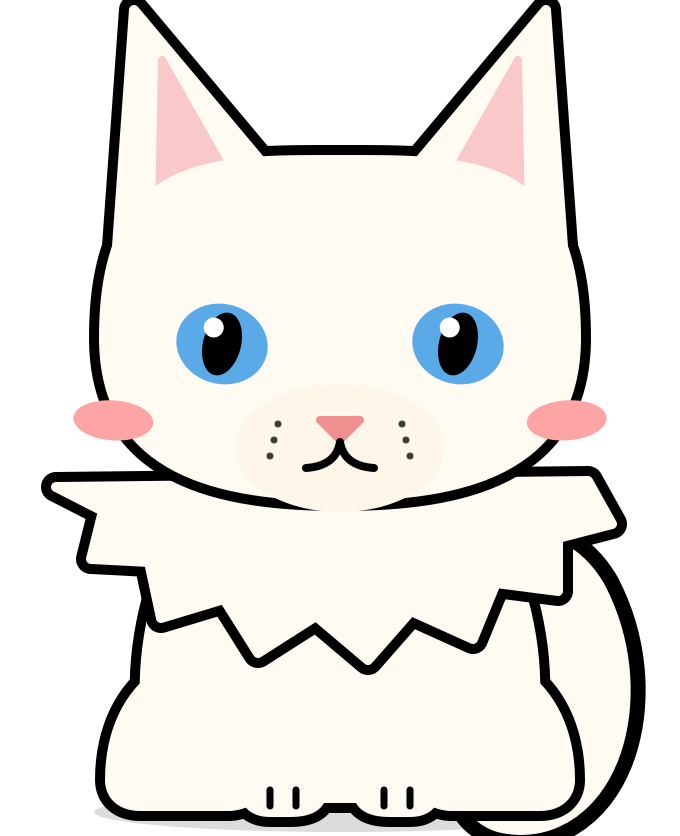
The Turkish Angora is one of the oldest long-haired breeds, named for Ankara (once called Angora) in Turkey. Long-haired cats were taken from there to Europe from the 1600s, and they helped shape other long-haired breeds. In Turkey the white Angora has been treasured for centuries, and breeding programmes at Ankara Zoo have helped keep the breed going.
It is a graceful, athletic cat with a silky coat, and a personality that is a lot more lively than its looks suggest.


Turkish Angora at a glance
- Origin
- Ankara, Turkey
- Size
- Small to medium
- Weight
- Usually 2.5 to 5 kg
- Lifespan
- Often 12 to 18 years
- Coat
- Long, fine and silky, with a single layer and a plumed tail
- Colours
- White is the best known, but many colours and patterns are seen
Personality scorecard
- Energy
- 5 out of 5
- Affection
- 4 out of 5
- Chattiness
- 3 out of 5
- Grooming needed
- 3 out of 5
- Good with children
- 3 out of 5
- Good with other pets
- 3 out of 5
Our own rough guide. Every cat is different.
What they look like
A fine-boned, long-bodied cat with a small, wedge-shaped head, tall, pointed ears set high, almond-shaped eyes and a long, plumed tail. The coat is long and silky, with little undercoat, so it lies flat and does not mat easily. White is the classic colour, and white Angoras can have blue eyes, amber eyes or one of each, but black, blue, tabby, tortie and bicolour Angoras are also accepted.
Personality
Playful, intelligent and often a little bossy. Turkish Angoras love to climb, jump and chase, and they tend to take charge of the household. Many bond strongly with one person, enjoy games of fetch and follow you from room to room. They are not always keen on being carried for long, and they can be quick to let other pets know who is in charge.
Care and grooming
Brush or comb two or three times a week, more when the coat is shedding in spring. They need plenty of play, high perches and puzzle toys to keep their clever minds busy. Keep their ears and eyes clean, and feed measured portions of a good complete diet.
Health to know about
White cats with blue eyes, or with one blue eye, can be born deaf, so ask about hearing tests. An inherited neurological condition affecting young kittens, called ataxia, has been reported in the breed, and hypertrophic cardiomyopathy (HCM) can occur, so choose a breeder who health-tests. Cats of this breed are generally long-lived.
Could suit
- Active homes with space to climb
- People who enjoy a playful, clever cat
- Owners happy to brush a silky coat a few times a week
Think twice if
- If you want a calm, sleepy lap cat
- If you have small children who love to carry cats
- If you cannot give a clever cat plenty to do
“Elegant, athletic and in charge of the house. I do not do lazy.”
Name ideas for a Turkish Angora
- Angora
- Ankara
- Snowdrop
- Pearl
- Ivory
- Cloud
- Sultana
- Luna
- Daisy
- Zeynep
Want more? Try the cat name generator, or find out their age in human years with the cat age calculator.


Questions people ask
Is a Turkish Angora the same as an Angora?
In cats, yes, the breed is called the Turkish Angora. “Angora” also describes the fine, silky wool from Angora rabbits and goats, which is a different thing.
Are Turkish Angoras always white?
No. White is the best known, but they come in many colours and patterns, including black, blue, tabby and tortoiseshell.
Are white Turkish Angoras deaf?
White cats, especially with blue eyes, can be born deaf. Not all are, and a hearing test can tell you.
Do Turkish Angoras shed a lot?
They shed more in spring, but the silky single coat tangles less than many long coats, so a few brushes a week usually keep it tidy.
Other breeds to meet
This is a friendly overview, not veterinary advice. Ask your vet about your own cat.
