Cat guide ·
Senior Cat Health: Common Problems, Warning Signs and How to Help
By the Brus Crew, a family with a house full of cats
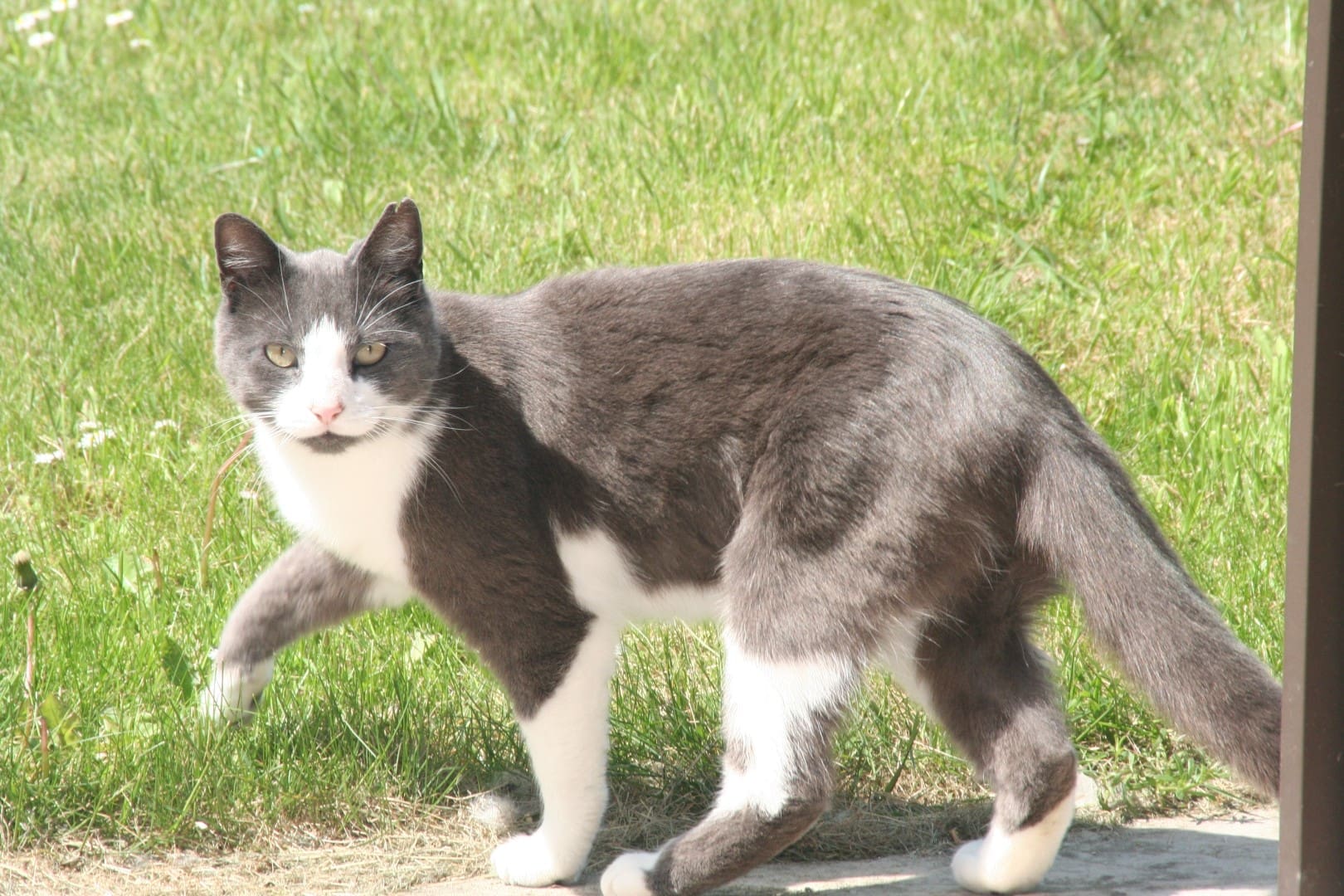
Senior cat health can feel daunting, partly because cats are experts at hiding when something's wrong. The good news is that many common problems in older cats can be managed well, especially when they're picked up early. Here are the conditions to know about, the changes to watch for at home and simple ways to keep your cat comfortable. It's general information, so for anything specific to your own cat, talk to your vet.
When does a cat become a senior?
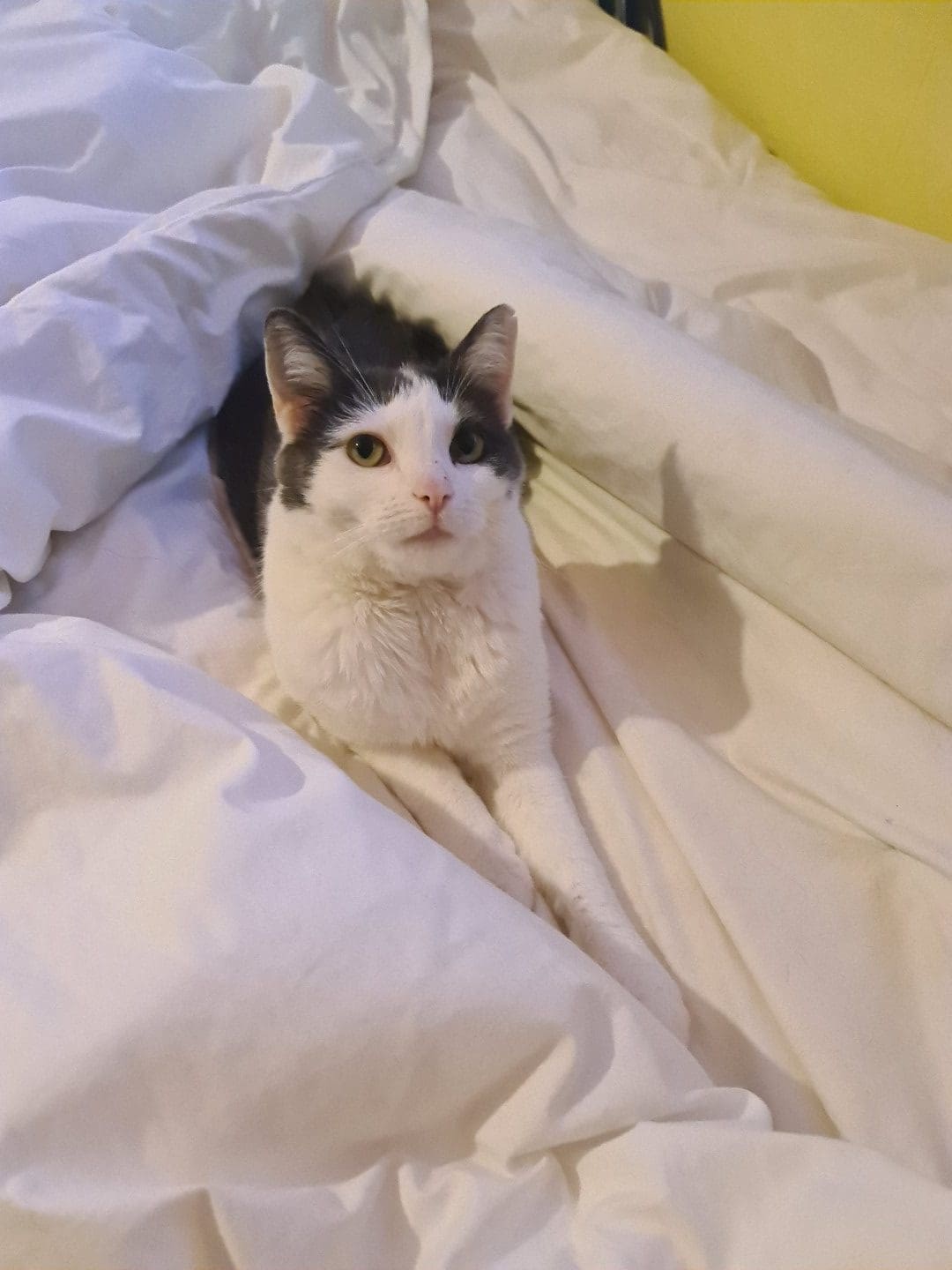
Cats are commonly thought of as senior from around 11 years old, and super-senior from around 15. But old doesn't have to mean ill. Plenty of cats stay bright and playful well into their teens. Take Mystique, one of the fans' cats on our site: her profile was written when she was 11, and it describes a cat who loves to pounce, play and keep everyone entertained. If you're thinking of giving an older cat a home, our guide to adopting an older cat walks you through it.
Common senior cat health problems
These are the conditions vets see most often in older cats. Many share the same symptoms, which is why a vet check, usually with a blood or urine test, is the only way to know what's really going on.
Kidney disease
Chronic kidney disease is one of the most common illnesses in older cats. The kidneys gradually lose their ability to filter waste and hold on to water. Early signs include drinking and weeing more, followed by weight loss, a poorer appetite, vomiting and a scruffy coat. It can't be cured, but with the right diet and treatment many cats live comfortably with it for a long time, especially when it's caught early.
Hyperthyroidism (an overactive thyroid)
This is very common in older cats. The thyroid gland in the neck makes too much hormone, which speeds the whole body up. Classic signs are weight loss despite a big appetite, restlessness, being more vocal, drinking more, vomiting and an unkempt coat. It's usually very treatable, and your vet will talk you through the options, which can include medication, a special diet, surgery or radioactive iodine treatment.
Arthritis
Arthritis is very common in older cats but easy to miss, because cats hide pain so well. They rarely limp. Instead, look for:
- Not jumping up to favourite places, or hesitating before a jump
- Stiffness, especially after a long sleep
- Taking the stairs one at a time, or avoiding them
- Grooming less, leaving a scruffy or matted coat over the back and hips
- Going to the toilet outside the litter tray
- Sleeping more, playing less, or seeming grumpy when stroked or picked up
Your vet can prescribe pain relief that's safe for cats, and simple changes at home make a real difference. Never give your cat human painkillers: some, including paracetamol, are highly toxic to cats.
Dental disease
Dental disease is extremely common in older cats, from gum disease to painful tooth problems such as resorptive lesions. Watch for bad breath, drooling, dropping food, chewing on one side, pawing at the mouth or suddenly going off dry food. Mouth pain can stop a cat eating properly, so ask for their teeth to be checked at every vet visit.
Weight loss
Weight loss in an older cat is always worth a vet visit. It's an early sign of many conditions, including kidney disease, hyperthyroidism, diabetes and dental pain, and it can creep up slowly. Older cats can also lose muscle, so a cat may look much the same while getting bonier along the spine and hips. Weighing your cat once a month is an easy way to spot a change: weigh yourself holding them, then take away your own weight.
Diabetes
Diabetes is more common in older and overweight cats. Signs include drinking more, weeing more, a bigger appetite and weight loss. It's usually managed with insulin injections and a suitable diet, and your vet team will show you exactly what to do. With early treatment, some cats even go into remission.
High blood pressure
High blood pressure (hypertension) often goes hand in hand with kidney disease or hyperthyroidism, though it can happen on its own. It rarely shows obvious signs until it causes damage, most often to the eyes. Sudden blindness, very dilated pupils or bumping into things is an emergency, so see a vet straight away. Vets measure a cat's blood pressure with a small cuff, much like ours, and many recommend regular checks for older cats.
Cognitive changes
Some older cats develop cognitive dysfunction, a condition similar to dementia in people. Signs include yowling at night, seeming confused or lost in familiar places, changes to sleep patterns, staring into space, forgetting where the litter tray is and wanting more (or less) attention. Hyperthyroidism, high blood pressure, pain and hearing or sight loss can all cause similar behaviour, so get your cat checked rather than putting it down to age. If it is cognitive decline, a steady routine, night lights and gentle play can all help.
Signs to watch for in an older cat
You know your cat better than anyone, so small changes you notice at home are often the first clue. Here's what to look out for, and what it can be linked to:
| What you notice | What it can be linked to |
|---|---|
| Drinking more, or the water bowl emptying faster | Kidney disease, hyperthyroidism, diabetes |
| Losing weight | Hyperthyroidism, kidney disease, diabetes, dental pain |
| Eating more but still losing weight | Hyperthyroidism, diabetes |
| Bigger or more wet patches in the litter tray, or accidents outside it | Kidney disease, diabetes, arthritis, cognitive changes |
| Yowling at night | Hyperthyroidism, high blood pressure, pain, cognitive changes |
| Not jumping up, stiffness, a scruffy coat | Arthritis |
| Bad breath, drooling, dropping food | Dental disease |
| Hiding, sleeping more or seeming grumpy | Pain or illness of many kinds |
None of these means your cat definitely has a particular condition, but each one is a good reason to book a vet appointment. Sudden blindness, breathing difficulties, straining in the litter tray without producing anything, or refusing food altogether need a vet urgently.
Regular check-ups for senior cats
Because older cats hide illness so well, regular check-ups are the best way to catch problems early. Many vets suggest a check-up every six months for senior cats, rather than once a year. A typical senior check may include:
- Weighing your cat and checking their body and muscle condition
- Examining their teeth, eyes, heart, joints and thyroid
- Blood and urine tests to check the kidneys, thyroid and blood sugar
- A blood pressure check
Before the appointment, jot down anything you've noticed, such as changes in drinking, appetite, litter habits, sleep or behaviour.
Diet, hydration and comfort
Food
Many older cats do well on a senior diet, but there's no one-size-fits-all. Some need more calories as they age, while others need help to lose weight. Cats with kidney disease, diabetes or hyperthyroidism may need a prescription diet, so talk to your vet before changing food, and always switch gradually.
Hydration
Keeping your cat drinking is especially good for older kidneys. Try:
- Including wet food, which is mostly water
- Several water bowls around the house, away from food and litter trays
- Wide, shallow bowls, so whiskers don't brush the sides
- A pet water fountain, as some cats prefer running water
Comfort
- Soft, warm beds in quiet, draught-free spots
- Ramps or steps up to favourite places
- A low-sided litter tray, with one on each floor if you have stairs
- Gentle brushing to help with the spots they can no longer reach
- Short, gentle play sessions to keep body and mind active (our guide to safe cat toys has ideas)
- A predictable routine, with meals and bedtime at similar times each day
Remembering Mr Snuggles
We have a real soft spot for older cats. Mr Snuggles, whose profile lists him at 12, was remembered by his family as the best cat that ever lived: nice, loving and always full of purrs. He had a lovely habit of dribbling when he was especially happy, a sign of just how much he loved and trusted his family. He's no longer with us, but he's forever in our hearts, and our very own Mr Snuggles Jr was named in his memory. Cats like him are the reason we want every oldie to get the best care possible.
Questions people ask
What are the most common health problems in senior cats?
Kidney disease, hyperthyroidism, arthritis and dental disease are among the most common, along with diabetes, high blood pressure and cognitive changes.
How often should a senior cat see the vet?
Many vets suggest every six months for cats aged around 11 and over, but your vet will advise based on your cat's health.
Why is my old cat drinking so much water?
Drinking more is a common sign of kidney disease, hyperthyroidism or diabetes. Book a vet check, and take a urine sample along if your vet asks for one.
Why does my senior cat yowl at night?
Night-time yowling can be linked to hyperthyroidism, high blood pressure, pain, hearing or sight loss, or cognitive changes. Ask your vet to rule out medical causes first.
How can I tell if my older cat is in pain?
Look for changes in behaviour rather than crying out: not jumping up, stiffness, grooming less, hiding, toilet accidents, grumpiness or a change in appetite. If you're unsure, ask your vet.
Does your home have a grey-whiskered wonder in charge? Send them to us and they could be featured on the site.