Cat guide ·
Why Do Cats Sneeze? Normal Sneezes vs Signs of Cat Flu
By the Brus Crew, a family with a house full of cats
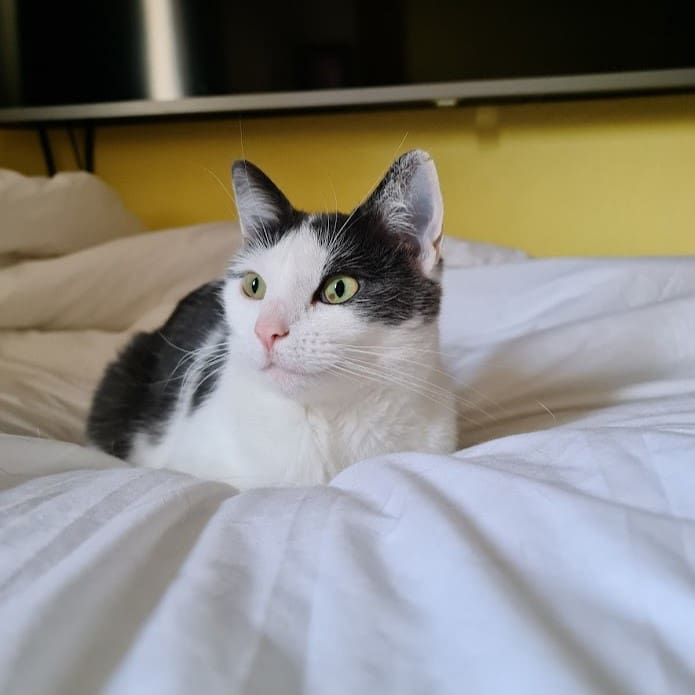
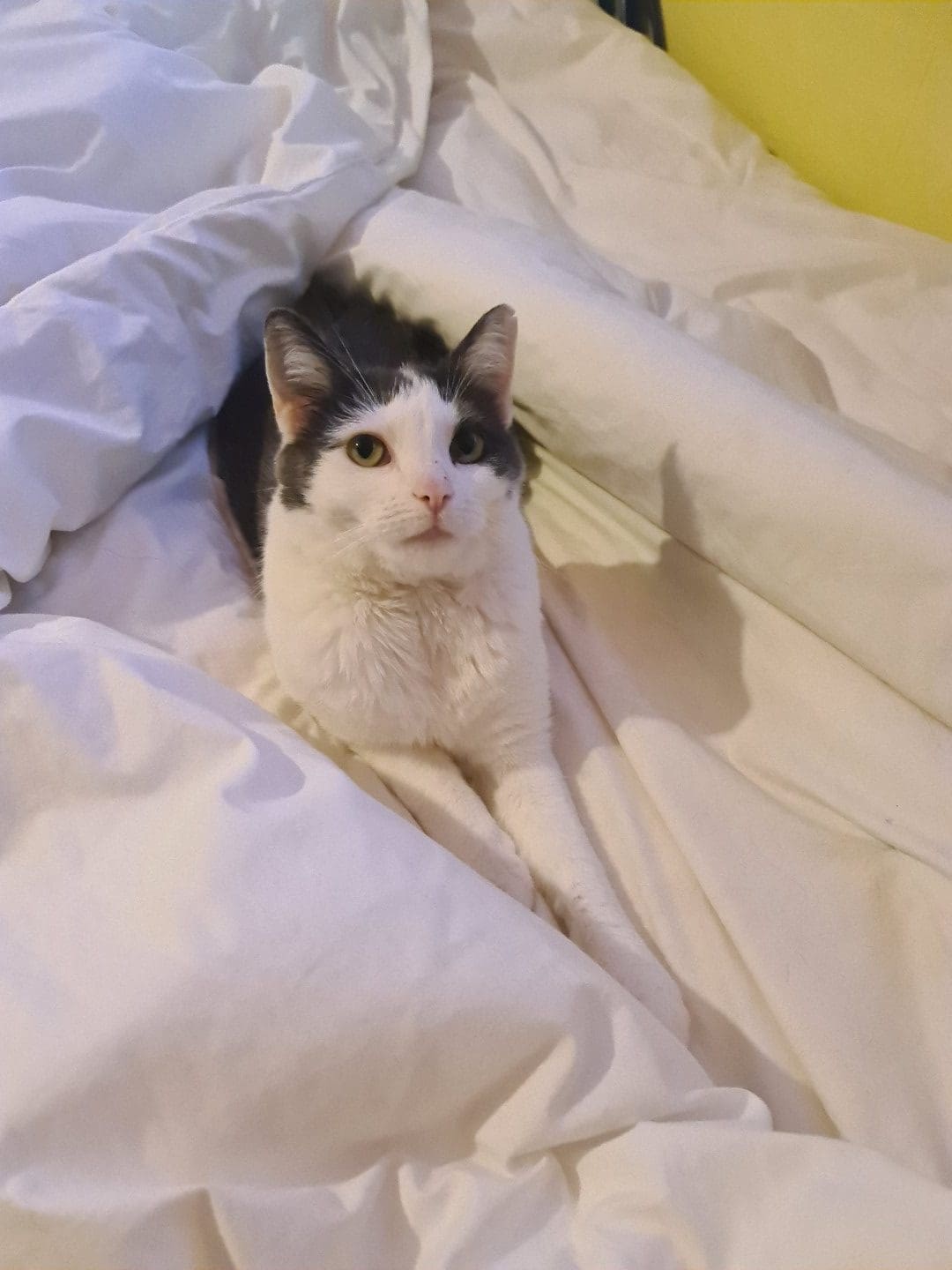
Why do cats sneeze? Usually for the same reasons we do: a bit of dust, a tickle in the nose or a strong smell such as perfume, air freshener, cleaning spray or dusty cat litter. An occasional sneeze in a cat who is otherwise bright, eating well and playing is nothing to worry about. If your cat keeps sneezing, though, especially with runny eyes, a runny nose or a poor appetite, the most likely cause is cat flu, a very contagious infection that needs your vet's advice. Less often, cat sneezing is caused by something stuck up the nose, a dental problem or a nasal polyp.
Key points
- An occasional sneeze is normal and usually caused by dust, a tickle or a strong smell.
- Cat flu, mostly caused by feline herpesvirus and calicivirus, is the most common reason for sneezing with runny eyes and a runny nose.
- Cat flu spreads easily between cats, and vaccination makes it much milder.
- Kittens, older cats and any cat who stops eating should see a vet promptly.
- Breathing with the mouth open is an emergency, so call your vet straight away.
Is it normal for cats to sneeze?
Yes, now and then. Sneezing is the nose's way of clearing out anything that's irritating it, and cats have far more sensitive noses than we do. A single sneeze or a short burst, followed by your cat carrying on as normal, is usually nothing more than that. Common everyday triggers include:
- dust, from hoovering, moving furniture or a dusty corner they've been exploring
- strong smells such as perfume, hairspray, air fresheners, plug-in diffusers and scented candles
- cleaning sprays, bleach and carpet fresheners
- smoke from cigarettes, wood burners or cooking
- dusty or heavily scented cat litter
- a tickle from a stray bit of fluff, or something they've had a really good sniff of
If you spot a pattern, such as sneezing after you've cleaned or after a fresh bag of litter, switch to unscented products and a low-dust litter, and open a window when you use sprays. Some essential oils are toxic to cats too, so check anything you diffuse around them.
Why does my cat keep sneezing? It could be cat flu
Cat flu is the everyday name for an infection of a cat's nose and throat. Despite the name, it isn't the same as human flu, and you can't catch it from your cat. Most cases are caused by one of two viruses, feline herpesvirus and feline calicivirus, and bacteria can join in and make things worse.
Signs of cat flu
- sneezing, often lots of it
- a runny nose, clear at first but sometimes turning thick, yellow or green
- runny, red, sore or sticky eyes, or squinting
- mouth ulcers, which can cause drooling and make eating painful
- a high temperature, tiredness and hiding away
- going off their food
That last one matters most. Cats rely heavily on their sense of smell to decide whether food is worth eating, so a blocked nose can put them off it completely. A cat who stops eating can become seriously ill, so don't wait it out.
How cat flu spreads
Cat flu is very contagious between cats. It spreads through direct contact, sneezes, shared food and water bowls, litter trays and bedding, and on people's hands and clothes. Cats who go outside meet other cats more often, whether they like it or not. Starlight, one of our followers' cats, is shy with a huge heart, keeps a close eye on her territory and has a love-hate rivalry with the neighbour's cat. Plenty of cats have a neighbourhood rival like that, which is one more reason to keep vaccinations up to date.
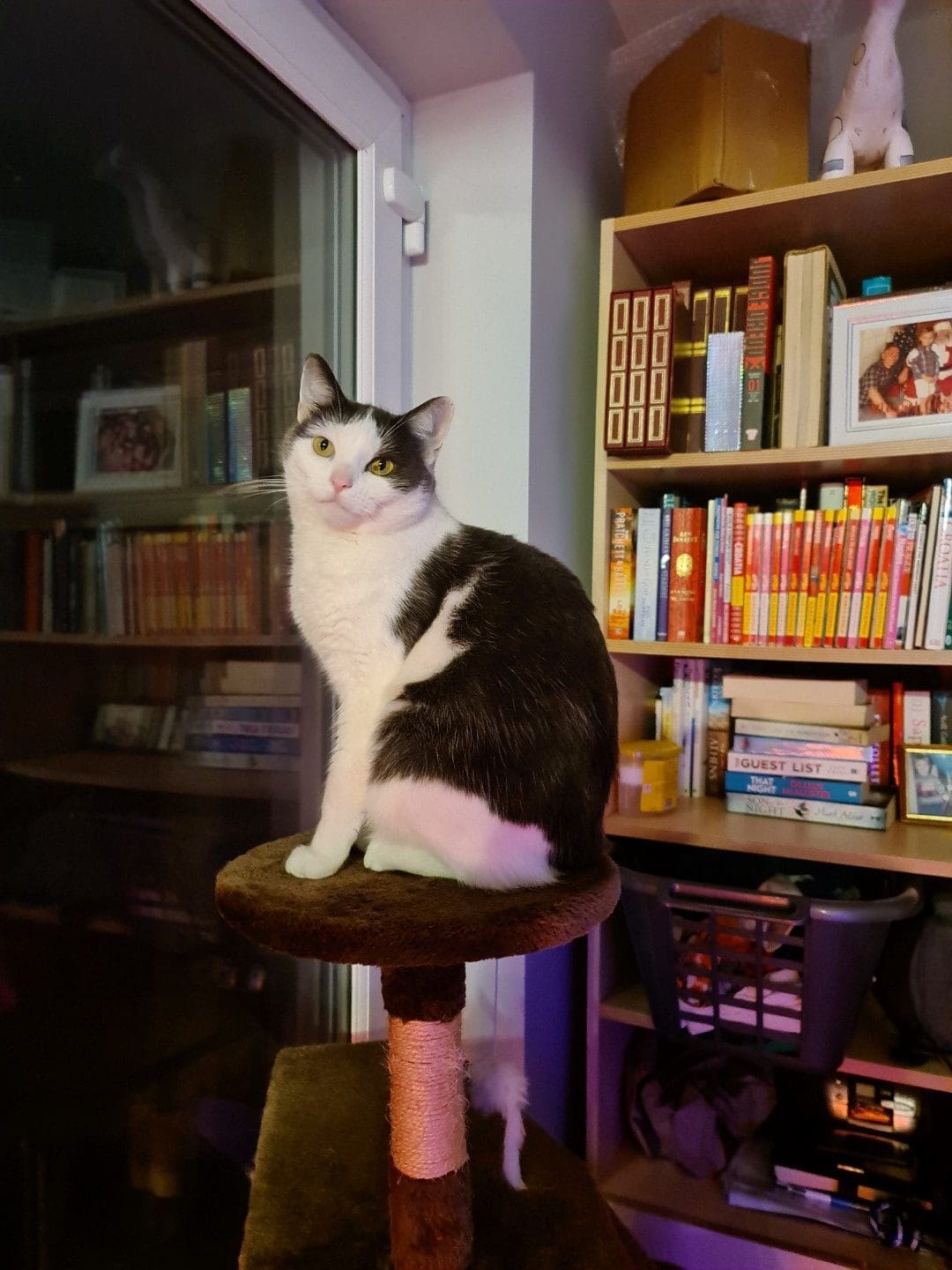
Many cats who recover from herpesvirus carry it for life without showing any signs. Stress, such as moving house, a new pet or a stay in a cattery, can trigger a flare-up of sneezing and sore eyes later on, and some recovered cats can still pass the viruses on to others.
Which cats are most at risk?
Any cat can catch cat flu, but kittens and older cats are the most likely to become seriously ill, along with unvaccinated cats and those with other health problems. Kittens have very small reserves and can go downhill quickly, so call your vet promptly if a kitten starts sneezing with runny eyes or a poor appetite. Older cats often have other conditions going on too, which we cover in our guide to senior cat health.
Can vaccination prevent cat flu?
Vaccination is the best protection you can give. It doesn't always stop a cat catching cat flu, but vaccinated cats usually have a much milder illness. Kittens normally start their vaccinations at about 8–9 weeks (our guide to kitten growth stages covers the timings), and adult cats need regular boosters to stay protected. It's also one of the big reasons kittens should stay in until they're fully vaccinated, as we explain in what age can cats go outside.
Other reasons cats sneeze
Something stuck up the nose
Cats are nosy in every sense. A blade of grass or a seed can end up in the nose or at the back of the throat, causing a sudden fit of violent sneezing, pawing at the face and sometimes discharge or blood from one nostril. Don't try to remove it yourself. Your vet can find it and take it out safely, which sometimes needs sedation.
Dental problems
The roots of a cat's upper teeth sit very close to the nasal passages. An infected tooth root can cause sneezing and a runny nose, often on just one side, along with bad breath or reluctance to eat. Dental disease is very common in adult cats, so it's worth asking your vet to check their mouth.
Nasal polyps
Polyps are non-cancerous, fleshy growths that are most often seen in young cats. They can partly block the nose or the back of the throat, leading to sneezing, snuffly or noisy breathing and discharge, and sometimes ear problems too. Your vet can often remove them.
Allergies
Allergies are a less common cause of sneezing in cats than they are in people. Allergic cats are more likely to get itchy skin than a runny nose. If your cat is coughing or wheezing rather than sneezing, it could be asthma, which needs a vet's attention.
Growths in older cats
In older cats, sneezing that keeps going, especially with discharge or bleeding from just one nostril, should always be checked, because a growth in the nose is one possible cause.
What is reverse sneezing in cats?
A reverse sneeze sounds alarming: a run of quick, noisy, snorting breaths in through the nose, often with the neck stretched out. It's far more common in dogs, but cats can do it too. It's usually set off by an irritation at the back of the nose or throat, lasts a few seconds, and then your cat carries on as if nothing happened. The odd episode is generally harmless, but if it happens often, lasts longer or comes with other signs, mention it to your vet.
Don't confuse it with coughing. A cat who crouches low, stretches their neck out and coughs or wheezes may be trying to bring up a hairball, but repeated coughing can be a sign of asthma and needs a vet check.
When should you take a sneezing cat to the vet?
Call your vet if your cat:
- has been sneezing a lot for more than a day or two
- has thick, yellow or green discharge from the nose or eyes
- has any blood coming from the nose
- has red, swollen, cloudy or sore eyes, or is squinting
- is eating less or has stopped eating (don't leave a cat who isn't eating for more than a day)
- is drooling, lethargic or hiding
- is a kitten or an elderly cat
- has a swollen face or discharge from just one nostril
Breathing with the mouth open is an emergency. Cats normally breathe through their noses, so open-mouth breathing, fast or laboured breathing, or pale or bluish gums mean your cat is struggling. Call your vet straight away, even out of hours. (Cats don't pant the way dogs do, as we explain in our guide to why cats stick their tongues out.)
If you think it's cat flu, ring ahead before you go. Your vet may ask you to wait in the car or come in another way so other cats in the waiting room aren't exposed. And if vet bills are a worry, our help a cat today page lists UK charities that can help, including the PDSA, which offers free and low-cost vet care to people on qualifying benefits.
How to look after a sneezing cat at home
Alongside your vet's advice, a few simple things can help your cat feel more comfortable:
- Keep their face clean. Gently wipe away discharge from the eyes and nose with cotton wool dampened in warm water, using a fresh piece for each eye.
- Tempt their appetite. Warming wet food a little, to around body temperature, makes it smell stronger and more inviting. Stir it well and check there are no hot spots.
- Try a little steam. Sitting with your cat in the bathroom while a hot shower runs can help loosen a stuffy nose. Keep them well away from the water and never leave them alone in there.
- Keep water close by. Make sure fresh water is always within easy reach.
- Let them rest. A warm, quiet bed away from the busy parts of the house helps them recover.
- Keep them apart from other cats. If it might be cat flu, use separate bowls, beds and litter trays, and wash your hands after handling them.
Never give your cat human medicines, including cold and flu remedies, decongestants or painkillers. Paracetamol is toxic to cats, even in small amounts. Avoid vapour rubs and essential oils too, and only use medicines your vet has prescribed for your cat.
Questions people ask
Why does my cat keep sneezing but seem fine otherwise?
If they're eating, playing and their eyes and nose look clear, the cause is often something in their surroundings, such as dust, litter or a strong smell. Look for a pattern and cut back on sprays and scented products. If the sneezing carries on for more than a day or two, or other signs appear, see your vet.
Is cat sneezing contagious?
It can be. If it's caused by cat flu, it spreads easily to other cats, so keep them apart and don't let them share bowls or litter trays. Sneezing caused by dust or smells isn't contagious at all.
Can indoor cats get cat flu?
Yes. The viruses can come in on your hands or clothes, or with a new cat, and cats who had cat flu earlier in life can have flare-ups when they're stressed. That's why indoor cats need their vaccinations too.
Can cats catch a cold from humans?
The viruses that give people colds don't normally affect cats, so you don't need to worry about passing on your sniffles. Cat flu is caused by different viruses that spread between cats.
Why does my cat sneeze after I've been cleaning?
Cleaning sprays, bleach and air fresheners can irritate their sensitive nose. Open a window, keep your cat out of the room until surfaces are dry and the smell has cleared, and switch to unscented products where you can.
Has your cat sneezed their way back to full health? Introduce them to us and they could be featured on the site.