Cat guide ·
Why Do Cats Knead? The Real Reasons Behind Making Biscuits
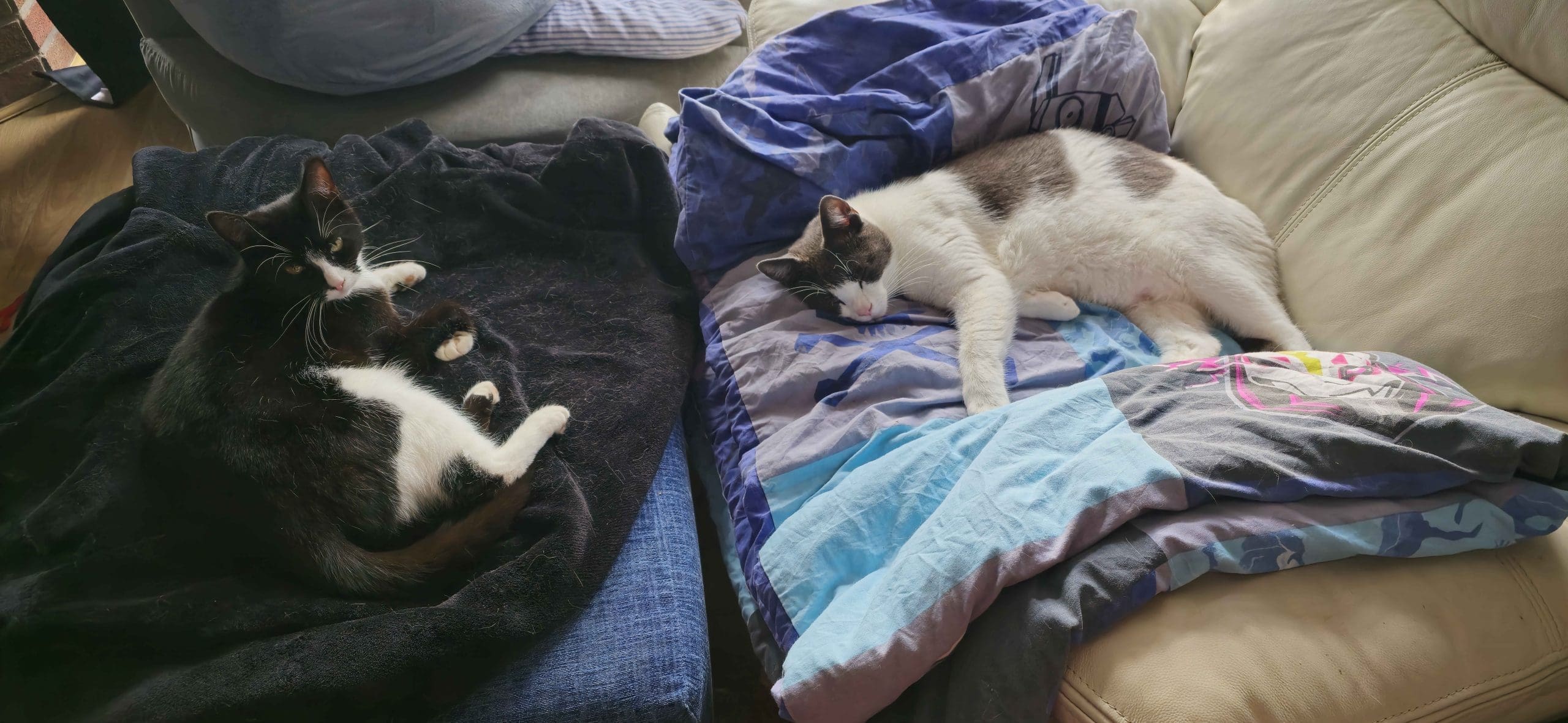
By the Brus Crew, a family with a house full of cats
If your cat pads up and down on your lap, pushing their front paws in and out as if they're working a lump of dough, they're kneading. So why do cats knead? Most of the time it's a habit left over from kittenhood, and it means they feel safe, relaxed and happy. Cat kneading can also leave their scent behind, make a comfy bed and give their muscles a good stretch. Here's what's going on, why some cats dribble while they do it, and what to do when those claws start to hurt.
What is cat kneading?
Kneading is the rhythmic pushing motion cats make with their front paws, left, right, left, right, on something soft: a blanket, a cushion, a jumper or your stomach. Because it looks like someone kneading bread, people call it "making biscuits" (or "making muffins", or "kneading dough"). Some cats keep their claws tucked away the whole time. Others flex them in and out with every push, which is where the trouble starts for bare legs.
Plenty of cats knead with their eyes half closed and a purr going, as if they've slipped into a little trance. Some only do it on one favourite blanket or one favourite person. Others never do it at all, and that's perfectly normal too.
Why do cats knead? The main reasons
There isn't one single answer. Kneading seems to do a few jobs at once, and the reason can change from cat to cat and moment to moment.
1. It starts with milk
Kittens knead their mum's tummy while they feed. The pushing helps stimulate the flow of milk, so from their very first days, kneading is linked with warmth, food, comfort and being close to mum. Most cats carry the habit into adulthood long after they've been weaned, and it seems to bring back that same cosy, safe feeling. (Curious about what else happens in those early weeks? Our guide to kitten growth stages walks you through them.)
2. They're happy and relaxed
This is the big one for most adult cats. A cat who settles on your lap, starts purring and begins making biscuits is usually telling you they feel content and secure. It's often a sign of trust, so if your cat kneads on you, take it as a compliment, even if it's a slightly prickly one.
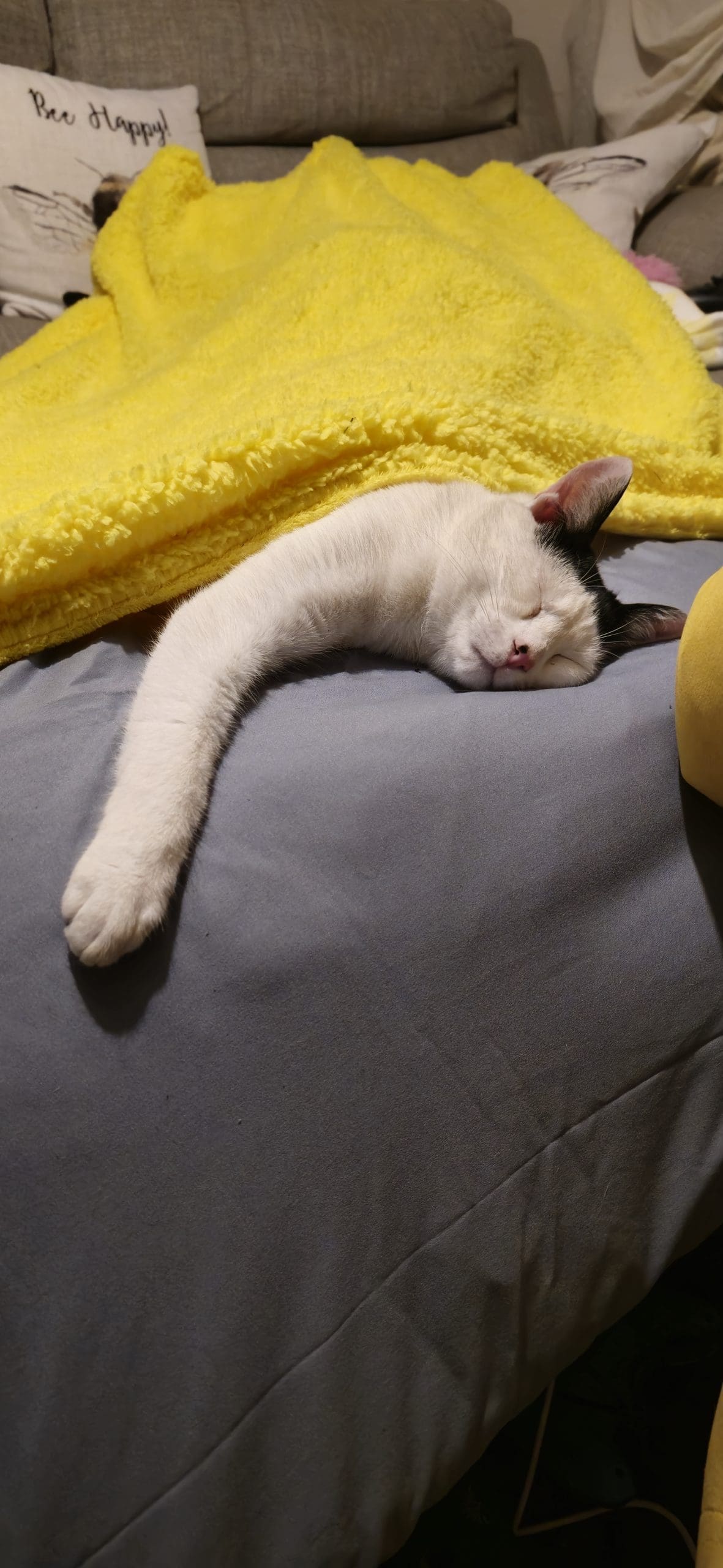
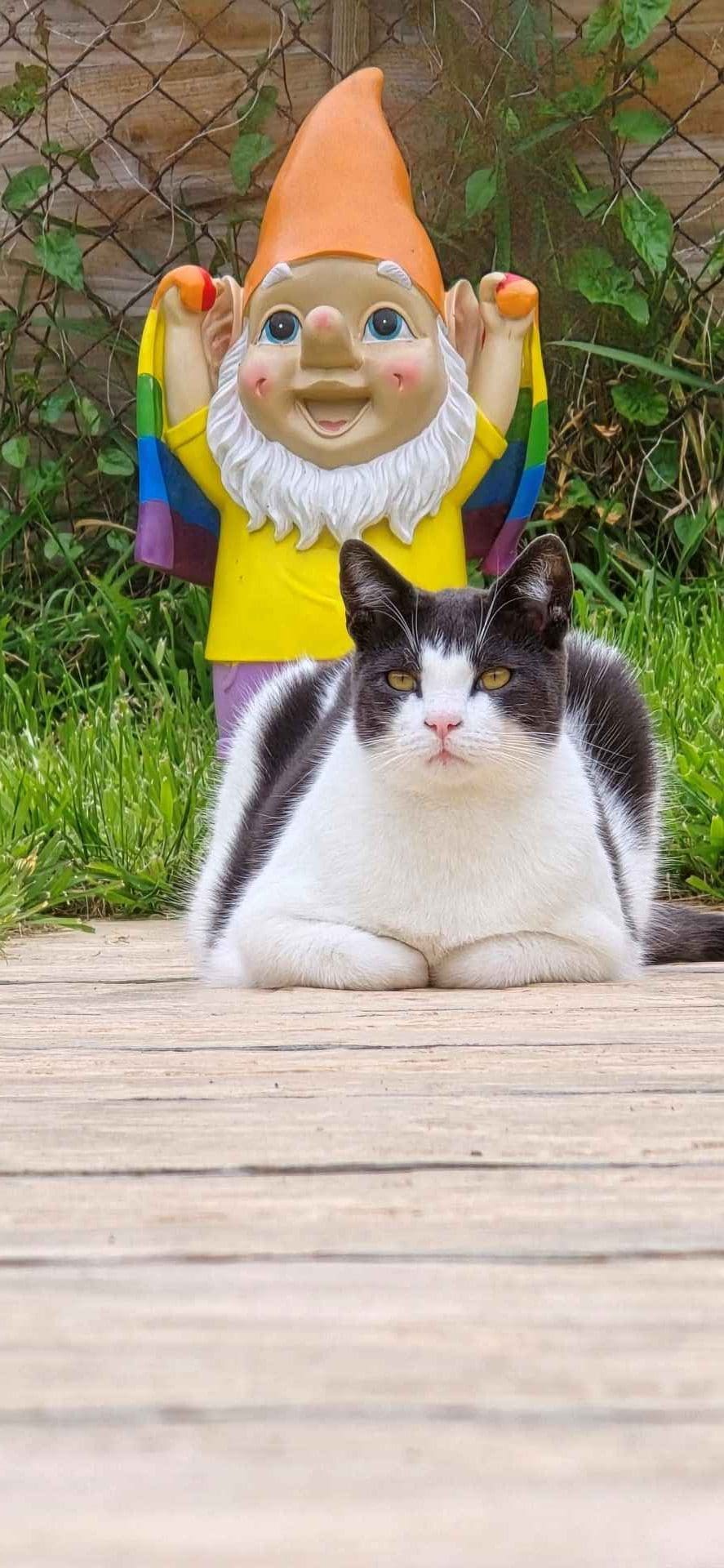
It's the same deep contentment you see in a cat who has found the perfect lap. Our crew's own professional lounger, Mr Snuggles Jr, would tell you there's nothing better than lounging around and cuddling with his humans.
3. Marking you as theirs
Cats have scent glands in their paw pads. When they knead, they leave a little of their own scent behind, too faint for us to notice but clear as day to other cats. Kneading a blanket, a bed or your lap is a way of saying "this is mine", which helps explain why some cats single out one person or one spot.
4. Making a comfy spot
A popular theory is that kneading goes back to wild ancestors, who trampled down grass or leaves to make a soft, safe place to sleep and to check nothing was hiding underneath. That would explain why many cats knead and turn in a circle or two before they finally lie down.
5. A good stretch
Kneading works the muscles in the front legs, paws and shoulders, a bit like a cat's version of a morning stretch. You'll often see it after a long nap, along with the classic bottom-in-the-air stretch.
One more you might notice: unspayed female cats sometimes knead or tread more when they're in season, alongside rolling around and being extra vocal. Neutering stops these cycles, and your vet can talk you through when to have it done.
Why some cats dribble or purr while kneading
Purring and kneading often go together, because both tend to happen when a cat is relaxed and comfortable. Some cats go a step further and dribble. It can look a bit odd, but in an otherwise healthy cat it's usually just a sign they're blissfully relaxed, and it may be another throwback to feeding time as a kitten.
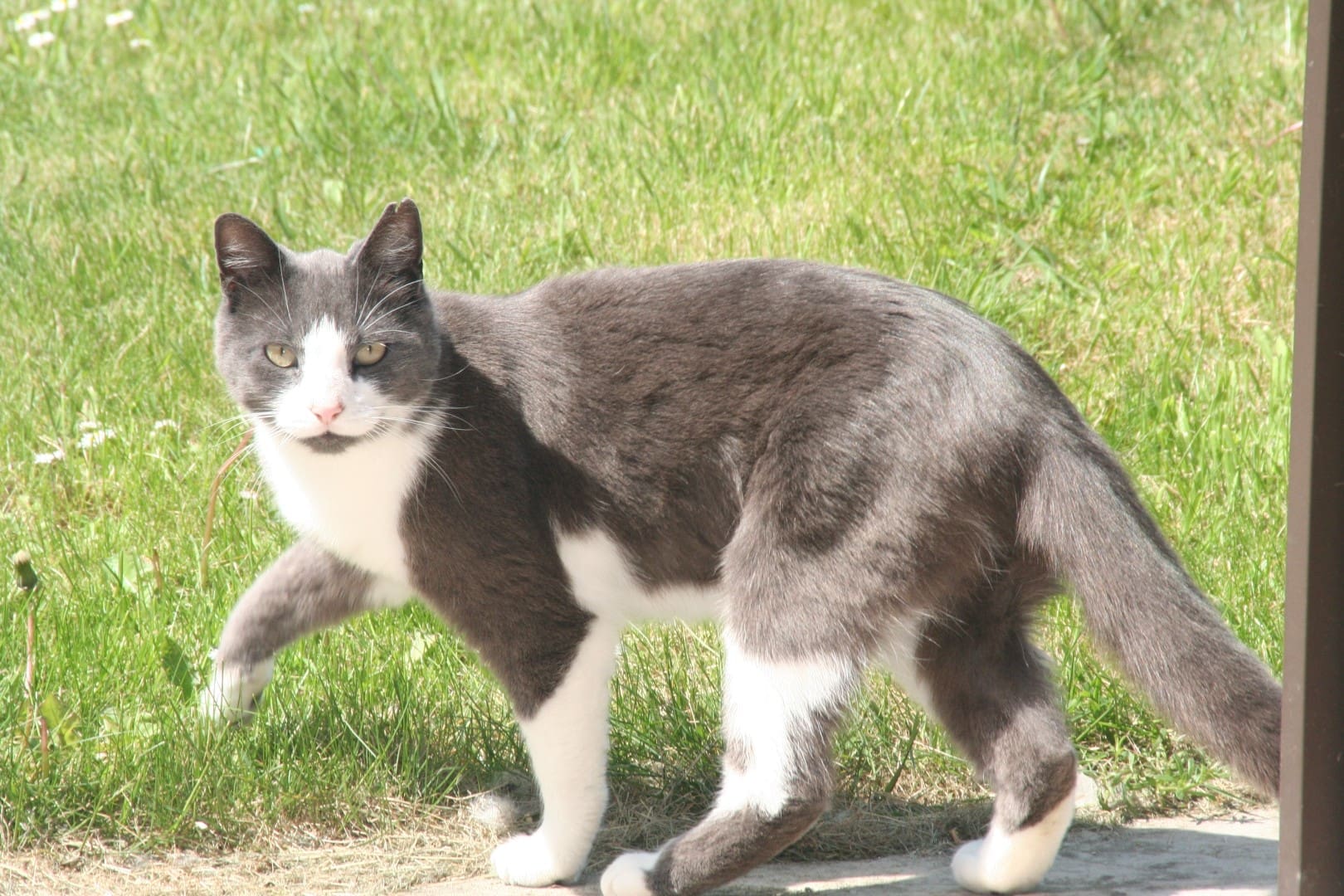
We know this one well. Mr Snuggles, who is forever in our hearts, was always full of purrs and had a charming quirk: he would dribble a lot when he was especially happy. His family saw it as a sign of just how much he loved and trusted them.
Happy dribbling is different from drooling that's new, constant or smelly, or that comes with other signs such as pawing at the mouth, eating less or bad breath. That can point to a problem in the mouth or elsewhere, so it's worth a trip to the vet.
Cat kneading hurts! What to do about the claws
Being chosen for biscuit duty is lovely, right up until ten tiny needles go through your jeans. The good news is you can make it comfortable for both of you without stopping something that clearly makes your cat happy.
- Put a thick blanket on your lap. A folded fleece or towel takes the sting out. Some cats learn that the lap blanket means cuddle time and head straight for it.
- Keep claws trimmed. Taking off just the sharp tips makes a big difference. Only trim the clear end of the claw, never the pink quick inside, which bleeds and hurts. If you've never done it before, ask your vet or vet nurse to show you how, or to do it for you.
- Offer a good scratching post. Scratching helps cats shed the worn outer layers of their claws and gives them another place to stretch and flex those paws.
- Gently shift them. If it's too much, slide a cushion under their paws or ease them along your lap. Slow and calm works best.
Never punish kneading
However much it pinches, don't shout at your cat, tap them or push them off roughly. Kneading is a natural, comforting behaviour and usually a sign of affection, so telling them off can confuse them and knock their trust in you. Redirect them instead. And declawing is never the answer: it's a painful operation that removes the end bone of each toe, and it's banned in the UK except for genuine medical reasons.
When is kneading worth a vet check?
For most cats, kneading is a happy, harmless habit. It's worth speaking to your vet if:
- it starts suddenly in a cat who never used to knead, or there's a big change in how often they do it
- it seems obsessive: they knead for long stretches, can't easily be distracted, or it gets in the way of eating, sleeping or playing
- it comes alongside other changes in behaviour, such as hiding, restlessness, over-grooming, eating or drinking differently, or changes in their litter tray habits
- they suck, chew or swallow fabric while they knead
- they seem uncomfortable, start limping, or don't want their paws touched
Some cats knead more when they're stressed or unsettled, as a way of soothing themselves, so a sudden increase after a house move, a new pet or a change in routine can be a clue. Your vet can check for anything physical and help you work out what's behind it. Older cats can change their habits for health reasons too, which we cover in our guide to senior cat health.
Questions people ask
Is it good if my cat kneads on me?
Usually, yes. Kneading on you generally means your cat feels relaxed and safe with you, and they're leaving a little of their scent on you too. It's one of the nicest compliments a cat can pay.
Why do cats knead blankets?
Soft blankets feel a lot like mum's tummy did, and they're perfect for making a comfy bed and leaving scent. Many cats have one favourite blanket they always come back to.
Do all cats knead?
No. Lots of cats knead, but some never do, and some only do it now and then. A cat who doesn't knead isn't unhappy. They just show it in other ways, like slow blinks, purring or a tail held high.
Does kneading mean my cat left their mum too early?
Not necessarily. It's a common idea, but cats who stayed with their mum for the usual time knead too, and it's normal behaviour for most cats. If kneading comes with sucking or chewing fabric, mention it to your vet.
Why does my cat drool when kneading?
Usually because they're very relaxed and happy. If the drooling is new or heavy, or comes with eating changes or bad breath, get them checked by your vet.
Got a champion biscuit-maker at home? Send us your cat and they could be featured alongside the crew.